Blog

2026 Best Medium Duty Racking Systems for Global Buyers?
Choosing the right Medium Duty Racking Systems in 2026 requires more than comparing prices and photographs. Global buyers need storage that fits real workflows, local conditions, and future growth. A rack may look strong in a catalogue, yet fail to suit narrow aisles, uneven floors, or mixed carton sizes.
This guide examines practical options for warehouses, workshops, archives, and distribution facilities. It considers load capacity, beam adjustment, frame stability, corrosion protection, assembly methods, and access requirements. A typical installation may hold boxed components, spare parts, or hand-loaded inventory across several levels. Clear labels and safe aisle spacing matter as much as steel thickness. Small details matter.
Reliable purchasing also depends on evidence. Buyers should request load charts, material specifications, inspection records, installation guidance, and applicable test information. Regional requirements can differ, especially for seismic zones, fire protection, and workplace access. Independent engineering review may be sensible for larger or unusual installations. Supplier experience is useful, but it should not replace documented verification.
Some advertised capacities assume ideal loading and perfect assembly. Real warehouses are rarely perfect. Dust accumulates, pallets shift, and product weights change over time. That assumption deserves review. The best Medium Duty Racking Systems balance usable capacity, worker safety, maintenance effort, and long-term value. This 2026 overview helps international buyers compare solutions carefully, identify hidden limitations, and make decisions based on measurable performance rather than attractive marketing alone.
Read more »
 By:Amelia
- October 19, 2026

7 Tips for Choosing Heavy Duty Racking Systems
Choosing Heavy Duty Racking Systems is a structural decision, not merely a storage purchase. The right design must support pallet weight, forklift movement, inventory turnover, and future expansion. A rack that looks strong may still fail when loads are uneven or floor conditions change. Small details matter, including beam connectors, upright protection, aisle width, and anchor placement.
The 2024 MHI Annual Industry Report surveyed more than 1,000 supply chain professionals. It identified labor shortages, demand changes, and technology investment as major industry concerns. These pressures make safe, adaptable storage increasingly important. OSHA guidance also requires stored materials to remain stable and secure. The Rack Manufacturers Institute’s ANSI MH16.1 standard provides engineering guidance for steel pallet racks. As warehouse consultant Gwynne Richards writes, “Space is one of the most expensive resources in a warehouse.” His point is practical. Poorly planned space creates congestion, damage, and wasted labor.
Measure twice.
A useful selection process should examine load capacity, rack configuration, facility height, seismic conditions, inspection routines, and maintenance access. It should also question optimistic assumptions. Maximum capacity is not the same as safe daily performance. A heavier beam may improve strength, but it can reduce usable height or increase costs. This guide presents seven practical tips for choosing Heavy Duty Racking Systems, while recognizing that every warehouse has imperfect data, changing products, and operational compromises.
Read more »
 By:Evelyn
- October 19, 2026
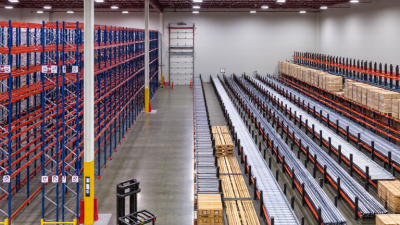
7 Best Pallet Racking Systems for Your Warehouse?
Choosing the right Pallet Racking Systems can transform a crowded warehouse into a safer, faster, and more manageable workspace. Yet the best system depends on more than available floor space. Product weight, pallet dimensions, forklift movement, turnover rates, and ceiling height all influence the decision. A rack that performs well in a high-volume distribution center may waste space in a smaller storage facility.
This guide examines seven widely used racking options, including selective, drive-in, push-back, pallet flow, cantilever, double-deep, and mobile systems. Each design has practical strengths and noticeable limitations. Selective racks offer quick access, while drive-in racks maximize storage density. Pallet flow systems support organized stock rotation, but they usually require higher investment and careful installation. Details matter. Upright frames, beam levels, floor conditions, and aisle widths can affect daily safety and efficiency.
Real warehouse experience shows that small mistakes become expensive. A forklift may struggle in a narrow aisle. A heavy pallet may exceed a beam’s rated capacity. Poorly planned clearance can slow every loading task. These issues deserve honest attention. No single system fits every operation. Even expert recommendations can change after a site inspection and a review of inventory data. Reliable selection should involve qualified rack professionals, documented load ratings, routine inspections, and trained operators. The following comparison focuses on practical performance, cost considerations, accessibility, scalability, and maintenance needs. It aims to help warehouse managers make a confident choice, while recognizing that real facilities often require compromises.
Read more »
By:Amelia
- October 19, 2026