Choosing the right Pallet Racking Systems can transform a crowded warehouse into a safer, faster, and more manageable workspace. Yet the best system depends on more than available floor space. Product weight, pallet dimensions, forklift movement, turnover rates, and ceiling height all influence the decision. A rack that performs well in a high-volume distribution center may waste space in a smaller storage facility.
This guide examines seven widely used racking options, including selective, drive-in, push-back, pallet flow, cantilever, double-deep, and mobile systems. Each design has practical strengths and noticeable limitations. Selective racks offer quick access, while drive-in racks maximize storage density. Pallet flow systems support organized stock rotation, but they usually require higher investment and careful installation. Details matter. Upright frames, beam levels, floor conditions, and aisle widths can affect daily safety and efficiency.
Real warehouse experience shows that small mistakes become expensive. A forklift may struggle in a narrow aisle. A heavy pallet may exceed a beam’s rated capacity. Poorly planned clearance can slow every loading task. These issues deserve honest attention. No single system fits every operation. Even expert recommendations can change after a site inspection and a review of inventory data. Reliable selection should involve qualified rack professionals, documented load ratings, routine inspections, and trained operators. The following comparison focuses on practical performance, cost considerations, accessibility, scalability, and maintenance needs. It aims to help warehouse managers make a confident choice, while recognizing that real facilities often require compromises.
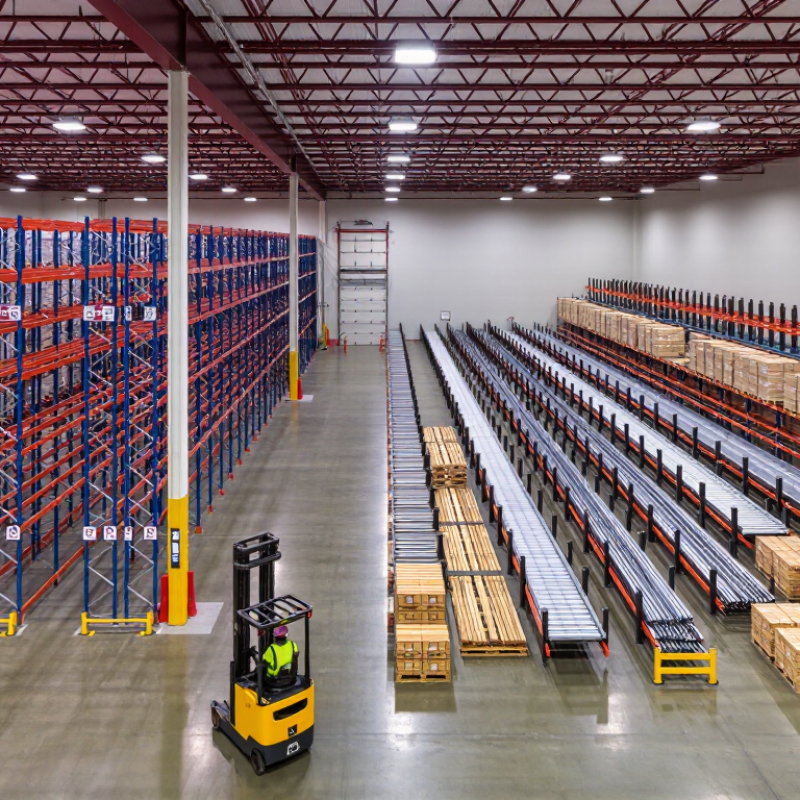
A suitable pallet racking system begins with the inventory, not the rack itself. In warehouse audits, I measure pallet height, weight, load depth, and turnover before comparing layouts. A rack that holds the weight may still waste space or slow picking. Clear data matters. Beam capacity must match the actual load, including unevenly distributed cartons. Uprights should remain stable during repeated forklift movement and routine impacts.
A practical design also fits the building. I check ceiling height, slab condition, aisle width, sprinkler clearance, lighting, and emergency access. Narrow aisles can increase storage density, but they may require specialized equipment and better driver discipline. That trade-off is easy to underestimate. Selective racks often suit varied stock, while drive-in, push-back, or flow designs support more consistent pallets. Local safety requirements should guide spacing, anchoring, signage, and inspection procedures.
Installation quality deserves equal attention. Anchors, frame spacing, guards, and load notices should be checked after installation and after major changes. I once focused too heavily on capacity and overlooked congestion near a dispatch door. The calculation was correct, but the workflow was not. Regular inspections can reveal bent components, missing pins, or altered loads before they become serious hazards. A suitable system should remain understandable to new operators, not only efficient on a plan.
What makes a pallet racking system suitable for a warehouse? The chart compares seven widely used systems across four practical criteria: pallet selectivity, space utilization, inventory rotation support, and operational flexibility. Scores range from 1 to 5, where 5 indicates stronger suitability.
Selective racking offers the highest direct access to every pallet, while drive-in and mobile systems provide stronger storage density. Pallet flow racking is particularly suitable for warehouses that require FIFO inventory rotation. The most suitable option depends on SKU variety, available floor space, pallet turnover, access requirements, and budget.
Selective pallet racking gives warehouse teams direct access to every stored pallet. Each pallet occupies its own beam level, so workers can locate mixed inventory without moving surrounding loads. This structure suits warehouses handling many stock keeping units, changing order volumes, or short replenishment cycles. During daily operations, forklift drivers can retrieve one carton line while nearby pallet positions remain undisturbed. That flexibility matters.
An effective layout begins with product dimensions, pallet weights, turnover rates, and aisle requirements. Heavy goods belong on lower levels, while fast-moving items should sit near main travel paths. Clear labels, visible location codes, and consistent loading rules reduce search time and picking errors. Beam capacity must match the real load, not an optimistic estimate. Regular inspections should check bent frames, damaged beams, missing clips, and unstable pallets. Small defects deserve attention.
In practice, the first layout is rarely perfect. Seasonal stock may block aisles, and one product change can make a rack plan outdated. Leave enough clearance around a 1,200-by-1,000-millimeter pallet for safe handling and visibility. Selective systems support gradual growth through adjustable beam heights and added rack bays. However, flexibility has limits. Too many low-turn pallets can consume valuable face space, while narrow aisles may slow equipment movement. Warehouse managers should review slotting data regularly and discuss problems with pickers. Those conversations often reveal awkward reaches, blocked labels, and repeated travel that reports miss.
Warehouse teams often seek more pallet locations without expanding floor space. The right racking system can turn unused air into usable capacity. Drive-in racking stores pallets on rails, with forklifts entering deep lanes. It suits stable products with fewer stock-keeping units and larger batch quantities. A beverage warehouse might place one product in each lane. Storage density rises because fewer aisles are needed. However, operators must control loading order carefully. Last-in, first-out handling remains its main limitation.
Push-back racking uses nested carts that move pallets toward the rear. Forklifts load and retrieve pallets from one aisle. This design usually supports two to five pallets deep, depending on equipment and load requirements. It offers better selectivity than drive-in storage. It also keeps forklifts out of the storage lane. They feel fast during replenishment. Yet, cart movement can become uneven when pallets are damaged or poorly centered. That detail is easy to overlook.
Pallet flow racks use rollers and gravity-fed lanes. Pallets enter from one side and move toward the picking face. First-in, first-out rotation makes them useful for dated goods and frequent picking. Clear lane labels reduce confusion during busy shifts. No design is perfect. Dense storage can hide weak pallets, blocked rollers, or unsafe loading habits. Qualified engineers should verify load ratings, clearances, pallet condition, and local fire requirements before installation. Regular inspections matter more than attractive capacity figures.
Double-deep pallet racking suits warehouses holding fewer stock-keeping units in larger quantities. It places one pallet behind another, reducing aisle space and increasing storage density. MHI’s 2024 Annual Industry Report found that 55% of supply chain leaders planned to increase technology investment. Yet, equipment alone cannot solve poor slotting. Double-deep layouts need reach trucks, accurate inventory records, and disciplined last-in, first-out control. They can reduce accessibility, so fast-moving goods may suffer. That trade-off is easy to underestimate.
Cantilever racking serves long, uneven products such as timber, pipes, panels, and metal profiles. Its open front allows forklifts to load materials without upright obstructions. Arms must be sized for the product length, weight, and center of gravity. The Rack Manufacturers Institute’s ANSI MH16.1 guidance emphasizes engineered design, rated capacities, and proper anchoring. In practice, I would inspect arm deflection, floor condition, and load overhang during every layout review. Small errors become expensive quickly.
The best system depends on movement, not appearance. Double-deep racks may create impressive capacity figures, but retrieval speed can decline. Cantilever racks may look simple, yet uneven loading can create stability problems. Warehouse operators should test a proposed layout with real pallet dimensions, forklift turning paths, and seasonal inventory peaks. A spreadsheet helps. It is not enough.
7 Best Pallet Racking Systems for Your Warehouse?
How to Compare Seven Racking Systems by Space, Cost, and Safety
Choosing racking starts with inventory, not appearance. Selective pallet racking offers the lowest entry cost and direct access to every pallet. Double-deep racking increases density but needs compatible forklifts and stricter stock rotation. Drive-in racking uses fewer aisles, although shared storage positions can slow picking. Push-back racking suits several pallets per SKU. Pallet-flow racking supports first-in, first-out movement, but rollers and brakes raise maintenance costs. Mobile racking saves floor space by closing aisles, yet installation and floor requirements are substantial. Cantilever racking fits long loads, not ordinary pallet cartons.
The 2024 MHI Annual Industry Report surveyed more than 1,000 supply-chain professionals. It identifies labor pressure and space efficiency as major investment concerns. That matters when comparing systems. A cheaper rack can create higher labor costs through longer travel paths. OSHA 29 CFR 1910.176 requires stored materials to remain stable and secure. ANSI MH16.1 also stresses engineered design, load capacity, and inspection practices. Safety is not an optional upgrade.
Tips: Measure clear height, aisle width, pallet dimensions, and forklift turning radius. Mark a real aisle with tape first. Then test it. Request seismic calculations, load plaques, and installation records. Check damaged uprights weekly and isolate unsafe bays immediately. I would not trust density claims without reviewing actual throughput data. A warehouse may gain 30% more positions but lose picking speed. That trade-off deserves a trial, not a sales promise.
Measure pallet height, weight, depth, and turnover. Include uneven carton loading. The rack must match real inventory.
Check ceiling height, floor condition, aisle width, lighting, and emergency access. Sprinkler clearance also matters. Space is never truly empty.
Selective racks suit warehouses with varied products and frequent access needs. They provide clear access to individual pallets. That flexibility may reduce maximum density.
Drive-in racks suit stable products with few product types and large batches. Forklifts enter deep storage lanes. Loading order requires careful control.
Push-back racks can store two to five pallets deep from one aisle. They improve selectivity compared with drive-in designs. Damaged pallets may move unevenly.
Gravity-fed rollers move pallets toward the picking face. This supports first-in, first-out rotation. Clear lane labels help during busy shifts.
Double-deep layouts reduce aisle space and increase capacity. They need reach trucks and accurate inventory records. Retrieval may slow down for fast-moving goods.
Cantilever racks suit long, uneven products such as timber, pipes, panels, and metal profiles. Arms must match product length and weight. Overhang needs regular checking.
Test real pallet sizes, forklift turning paths, and seasonal inventory peaks. Inspect anchors, guards, pins, and load notices after installation. Capacity is not everything.
Choosing the right Pallet Racking Systems is essential for creating a warehouse that is organized, accessible, safe, and cost-effective. A suitable system should match the type of inventory, available floor and ceiling space, storage volume, product turnover, and required access frequency. Selective pallet racking offers direct access to every pallet and supports flexible inventory management, making it a practical choice for warehouses with varied products and frequent stock rotation.
For higher storage density, drive-in, push-back, and pallet flow racks can reduce wasted aisles while supporting different loading and rotation methods. Double-deep racking increases capacity by placing pallets behind one another, while cantilever racks are well suited for long, bulky, or irregularly shaped materials. Comparing these seven systems involves balancing space utilization, installation and operating costs, accessibility, inventory control, and workplace safety. The best solution is the one that supports current operations while allowing the warehouse to adapt to future changes.