Engineered Steel Shelving & Structural Racking Systems
Our factory produces high-tensile cold-rolled steel storage systems designed to maximize cubic volume, streamline picking workflows, and endure the demanding operational environments of manufacturing plants and logistics centers across Nigeria.
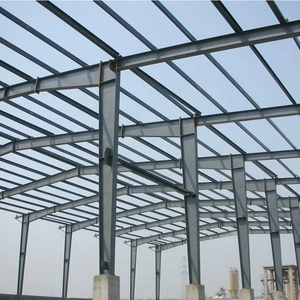
Steel Structure Warehouse Construction Materials Prefab Factory Storage Shed Barn Workshop With Mezzanine
- Material Grade: Q355B H-Section Steel
- Clear Span: Up to 36 Meters
- Mezzanine Rating: 300 - 1,000 kg/m²
- Corrosion Class: Hot-Dip Galvanized / Epoxy
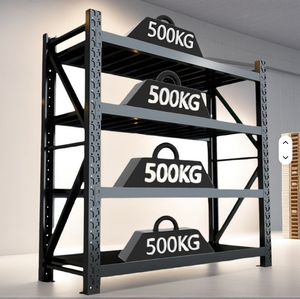
Mracking Industrial Light Duty Durable Steel 5 Adjustable Snap-In Storage Racks Longspan Shelving Powder Coating Garage
- Configuration: 5-Tier Adjustable Pitch
- Beam Connection: Boltless Snap-In Claws
- Capacity: 200 - 350 kg/Tier
- Finish: Thermoset Electrostatic Powder
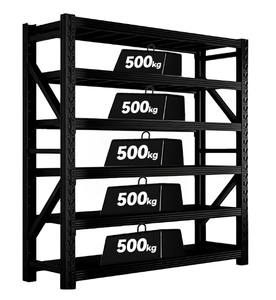
Adjustable Boltless HeavyDuty Shelf 6 Layers 500 kg Garage Warehouse Steel Rack Industrial Shelving Unit Corrosion Protection
- Layers: 6 Tier Reinforced Steel Deck
- Unit Load: 500 kg UDL Per Level
- Upright Profile: 55 x 47 mm Cold-Rolled
- Protection: Anti-Rust Passivation Finish
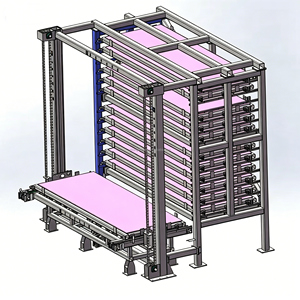
Durable Anti-Rust Heavy Duty Steel Electric Sheet Metal Rack Drawer Type Storage System Automated Retrieval Warehouse Shelving
- System Type: Crank/Electric Drawer Extension
- Payload: 1,000 - 3,000 kg/Drawer
- Access: 100% Full Extension for Hoist
- Safety: Interlocking Mechanical Brakes
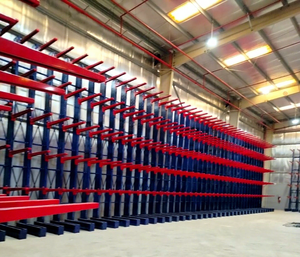
OEM Freight Warehousing Storage Rack Shelving Heavy Duty Cantilever Rack System
- Column Spec: Heavy C/H-Section Steel
- Arm Capacity: 500 - 1,500 kg Per Arm
- Design: Single or Double Sided
- Application: Tubing, Timber, Steel Coils
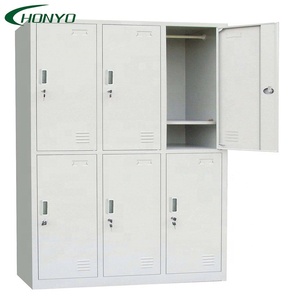
Heavy Duty Stainless Steel Changing Locker with Ventilation Design
- Material: SUS 201 / SUS 304 Stainless
- Ventilation: Louvered Aeration Slots
- Lock Mechanism: Cam Lock / Padlock Hasp
- Suitability: Food Processing & Oil/Gas Hubs
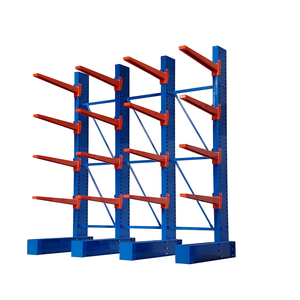
Industry Warehouse Steel Structural Pipe Rack Cantilever Rack For Pipe / Lumber Storage
- Arm Length: 600 - 1,800 mm Customizable
- Structural Base: Welded I-Beam Heavy Anchor
- End Stops: Removable Pipe Retention Pins
- Standard: EN 15512 & SEMA Verified
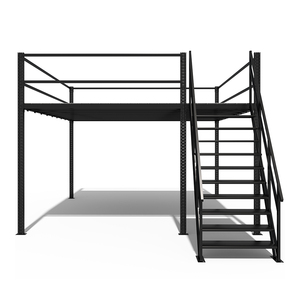
Heavy Duty Rack Industrial Mezzanine Interlocking Floor Rack Attic Racking System For Warehouse Storage
- Floor Decking: Perforated Steel / Galvanized
- Vertical Multiplier: 2 to 4 Operational Tiers
- Staircase/Gate: Integrated Safety Barrier Rails
- Space Gain: +100% to +300% Floor Area
Industrial Storage Landscape: Engineered Deployments Across Nigeria
The Nigerian industrial supply chain is experiencing a monumental transformation. Industrial estate growth across Lagos State, Ogun State, Rivers State, Kano, and the Federal Capital Territory requires storage systems designed to solve severe infrastructural and climatic challenges. Unlike temperate markets, industrial facilities in West Africa face extreme relative humidity (frequently exceeding 85% in coastal belts), high ambient temperatures, unstable ground bearing slabs, and congested freight corridors. Standard off-the-shelf retail shelving fails rapidly under these stresses, suffering premature structural fatigue, weld-seam oxidation, and deck deflection.
Industrial procurement teams must evaluate shelving not merely as passive steel fixtures, but as load-bearing structural assets governed by strict deflection ratios (1/200 under FEM 10.2.02 and EN 15512 standards). Whether outfitting a modern fast-moving consumer goods (FMCG) distribution fulfillment center in Ikeja or heavy equipment tubular laydown yards in Onne, our engineered steel shelving and racking systems solve critical localized constraints.
Lagos & Ogun Corridor
Ikeja, Agbara, Sagamu & Lekki Free ZoneHigh warehouse real estate leasing costs in Ikeja, Oshodi-Isolo, and Agbara Industrial Park demand maximum vertical cubic recovery. Operations deploy multi-tier rack-supported mezzanines and 6-layer heavy-duty boltless picking systems. These maximize storage clear height up to 12 meters, mitigating expensive land expansion fees while allowing rapid batch picking for e-commerce and retail supply chains.
Niger Delta Oil & Gas Hub
Port Harcourt, Onne Port & WarriThe marine atmosphere around Port Harcourt and the Onne Oil and Gas Free Zone presents severe C4/C5 atmospheric corrosivity. Operations storing drilling components, heavy structural drill pipes, valves, and casing tools require structural cantilever racking systems treated with heavy-gauge hot-dip galvanization (ISO 1461) or specialized marine-grade powder coatings capable of resisting 1,000+ hours of continuous salt spray testing.
Northern & Commercial Hubs
Kano (Bompai/Sharada), Abuja & AbaIn the northern industrial centers of Kano, storage facilities handle bulk agro-allied commodities, grain harvests, leather, and textiles under high dust and dry heat conditions. Facilities rely on reinforced longspan steel shelving and heavy-duty drive-in racking that accommodate palletized sack storage while preventing pest ingress and thermal deck deformation common with low-grade timber pallets.
Engineering Note on Nigerian Concrete Slab Capacities: Many legacy warehouse facilities in industrial zones like Apapa, Kirikiri, and Trans-Amadi exhibit sub-optimal slab compaction or unreinforced floor beds. Our engineering layout team conducts comprehensive footplate baseplate calculations to distribute upright concentrated point loads across wider surface areas, safeguarding your warehouse slab against punching shear failures.
Supply Chain Realities & Industrial Shelving Trends in Nigeria
Procuring warehouse racking and steel shelving systems within Nigeria requires navigating unique macroeconomic parameters. Forward-thinking facility managers and chief procurement officers no longer base purchase decisions solely on landed unit cost. Instead, they evaluate supply chain durability, African Continental Free Trade Area (AfCFTA) compliance, foreign exchange risk mitigation, and total lifecycle operating expenditure (OpEx).
1. AfCFTA and the Expansion of Regional Logistics Transshipment: As Nigeria positions itself as a dominant manufacturing and distribution engine for West Africa under AfCFTA protocols, multinational logistics operators (3PLs) are building Grade-A warehouse infrastructure. These modern facilities require international storage compliance (EN 15512 and RMI standards). The reliance on informal roadside ironmongers welding uncertified scrap angle iron is rapidly diminishing. Modern operators require factory-engineered, certified cold-formed steel sections with documented safe working load (SWL) certification placards.
2. Hedging Against Forex Volatility via Long-Life Structural Assets: With fluctuations in the Nigerian Naira (NGN), buying low-grade, under-specified shelving that corrodes or buckles within 24 to 36 months represents severe capital destruction. High-tensile, factory-finished Q235B and Q355B cold-rolled steel shelving with thermoset powder coatings provides operational lifespans exceeding 15 to 20 years. Investing in reconfigurable modular boltless systems ensures that capital expenditure remains an adaptable asset that relocates and expands as business operations evolve.
3. Port Bottleneck Mitigation and Modular Knock-Down Delivery: Port congestion at the Apapa and Tin Can Island corridors historically posed supply chain lead-time risks. Modern procurement relies on optimized Completely Knocked Down (CKD) packing systems that maximize container cube utilization. By packing high-density upright frames and interlocking box beams efficiently, shipping volumes decrease by up to 40%, cutting ocean freight costs and expediting customs clearing through Lekki Deep Sea Port or Onne Port.
| Storage System Type | Structural Steel Grade | Typical Payload / Capacity | Surface Treatment Class | Optimal Nigerian Application |
|---|---|---|---|---|
| Prefab Warehouse + Mezzanine | Q355B Structural H-Beam | 500 - 1,200 kg/m² Floor Load | Hot-Dip Galv / 2-Part Epoxy Primer | Heavy Logistics Hubs, FMCG Main Depots (Agbara, Sagamu) |
| Heavy Boltless Longspan Shelving | Cold-Rolled Q235B High Tensile | 300 - 600 kg Uniform Distributed Load | Electrostatic Polyester Powder (80µm) | Automotive Spares, Pharmaceuticals, E-Commerce Hubs |
| Heavy Duty Cantilever Racks | Hot-Rolled Structural I-Beams | 500 - 1,800 kg Per Arm | C4 Industrial Coastal Coating | Oil Country Tubular Goods (OCTG), Timber, Rebar (Port Harcourt) |
| Automated Drawer Storage | Precision Laser-Cut Q235B Alloy | 1,000 - 3,000 kg Per Drawer | Zinc Phosphated Baked Powder Coat | Aerospace, Defense, Heavy Stamping Die Storage |
| Rack-Supported Attic Mezzanine | Cold-Formed Upright Sections | 350 - 800 kg/m² Intermediate Tier | Anti-Skid Galvanized Perforated Deck | High-Density Apparel, Cosmetics & Electronics Retailers |
Why Engineering Directors Specify Our Storage Systems
Racking and shelving failures cause severe financial disruption and safety hazards. We eliminate risks through rigorous European design standards, automated manufacturing lines, and certified installation engineering.
Calculated, Not Estimated
Every upright, beam, and connector is mathematically analyzed according to FEM 10.2.02 and EN 15512 codes. We verify moment capacities, baseplate stress concentrations, and seismic shear tolerances. Every project includes rated load capacity signage for operational compliance.
Optimized CAD Layout Planning
Our project engineers model warehouse aisle widths, forklift turning radii (MHE clear turning circles), vertical flue clearances, and sprinkler cone distributions. We maximize pallet and pick faces without restricting material handling equipment velocity.
Tropical Climate Protection
We apply continuous automatic shot-blasting (Sa 2.5 standard) followed by multi-stage phosphating and thermosetting electrostatic powder coating (70–90µm DFT). Our steel resists high coastal humidity, salt mist, and chemical vapors without flaking or blistering.
Installation & Relocation
From initial foundation anchor pull-out testing to component tagging, expansion reconfigurations, and full facility relocation services across Nigeria, our specialized installation engineers ensure long-term structural safety and compliance.
Frequently Asked Questions by Nigerian Warehouse Directors
How do you handle SONCAP certification and Standards Organisation of Nigeria compliance?
All our structural steel shelving and industrial racking shipments are fully compliant with the Standards Organisation of Nigeria Conformity Assessment Programme (SONCAP). We process the necessary Product Certificate (PC) and SONCAP Certificate (SC) documentation via accredited international testing agencies (such as SGS, Intertek, or CCIC). Our factory provides comprehensive mill test certificates (MTC), yield strength verification, chemical composition analyses, and powder coating thickness tests to ensure rapid customs clearing through the SON portal and the Nigeria Customs Service (NCS).
What surface treatment prevents rust in high-humidity zones like Apapa and Port Harcourt?
For coastal warehouses within 20 kilometers of the Atlantic shoreline (such as Apapa, Lekki, Victoria Island, Warri, and Port Harcourt), atmospheric salt and moisture accelerate rust. We recommend our double-pass electrostatic epoxy-polyester thermosetting powder coat (80–100µm dry film thickness) applied over shot-blasted (Sa 2.5) steel. For outdoor pipe laydown areas, coastal chemical facilities, or cold storage chambers, we supply heavy hot-dip galvanized steel components conforming to BS EN ISO 1461, which guarantees over 20 years of maintenance-free corrosion resistance.
How do you accommodate uneven warehouse slabs and floor settlement common in reclaimed Lagos terrain?
Facilities constructed on reclaimed land or soft alluvial soils (common across the Lekki Peninsula, Badagry, and Niger Delta estuaries) often exhibit localized slab settlement or uneven screeding. Standard racking rigidly anchored to unlevel slabs suffers twisting and eccentric point loading. Our engineering teams integrate heavy-gauge laser-leveled steel shim packs and oversized baseplates (up to 12mm thickness) paired with European ETA-approved mechanical wedge anchors or chemical anchor studs. This distributes upright axial loads evenly, ensuring structural plumbness within strict EN 15512 tolerances (vertical deflection less than H/500).
Can these steel shelving and mezzanine structures be dismantled and relocated if our facility moves?
Yes. Unlike static welded systems constructed on-site by local welders, all our industrial shelving units, selective pallet racks, and mezzanine floor systems utilize 100% modular, bolted, and interlocking connections. Uprights are precision pre-punched at 50mm or 75mm pitches, and beams connect with multi-claw safety hooks and drop-in locking pins. If you relocate to a new warehouse in Agbara, Kano, or Abuja, the entire system can be unbolted, packaged, transport-freighted, and re-erected in an updated layout. We also supply expansion bays and re-engineered load signs for altered configurations.
What engineering information is required to receive a customized CAD layout and quotation?
To design an optimal storage configuration, our structural design department requires:
- Warehouse Architectural Drawing: Length, width, building column grid positions, dock doors, and clear internal ceiling height (underside of roof trusses or fire sprinkler heads).
- Item & Pallet Specifications: Pallet dimensions (Length x Width x Height including cargo overhang) and maximum Gross Unit Load weight.
- Material Handling Equipment (MHE): Forklift, reach truck, or order picker model, maximum lift height, and minimum aisle turning width requirement (AST).
- Floor Slab Details: Concrete compressive strength rating (e.g., C25/30), slab thickness, and reinforcement specifications.
What are the typical manufacturing, shipping, and delivery timelines to Lagos and Port Harcourt ports?
Typical factory production lead time for standard industrial shelving and pallet racking is 14 to 21 working days following CAD approval. Ocean container shipping to Lekki Deep Sea Port, Apapa Port, or Onne Port generally takes between 28 and 38 days depending on the shipping line. We coordinate with reputable clearing forwarders to expedite terminal clearance and arrange heavy flatbed trailer haulage directly to your facility gate across any Nigerian state.
Consult Our Warehouse Storage Engineers Today
Planning a new logistics hub, retrofitting an industrial warehouse, or expanding storage cubic capacity in Nigeria? Share your architectural floor plan and SKU profile with our structural design team. We provide complimentary CAD engineering layouts, load capacity calculations, and factory-direct price estimates within 24 hours.