Featured Industrial Storage Systems for Distribution Hubs
Engineered to accommodate high-velocity turnover, variable unit load configurations, and rigorous seismic-slab safety criteria across Riyadh's logistics corridors.
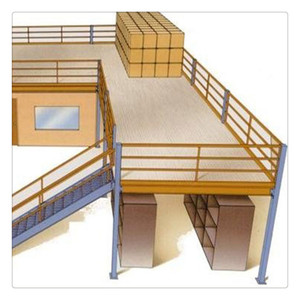
ODM / OEM Steel Structure Attic Style Loft Racking Platform Mezzanine Floor System
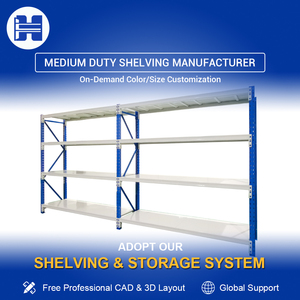
Medium Duty Durable Metal Widespan Shelving 600kg Loading Capacity Steel Storage Racks Corrosion Protection
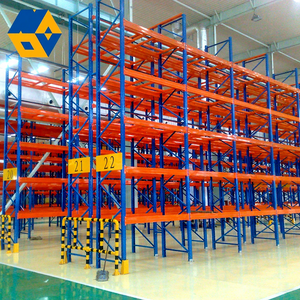
NOVA Industry Warehouse Steel Adjustable Shelf Pallet Racking System Selective Pallet Rack
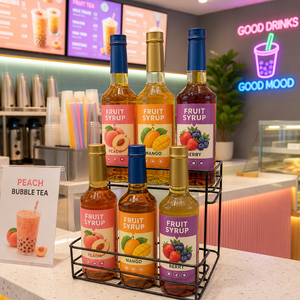
Portable Eco-Friendly Modern Metal Bottle Display Racks Bar Organizer Storage Rack
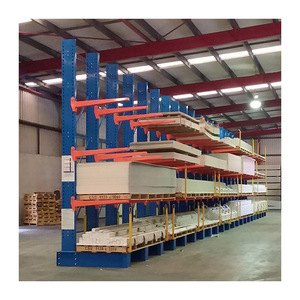
Mracking Adjustable Corrosion Protection Steel Pipe Storage Custom Cantilever Rack System
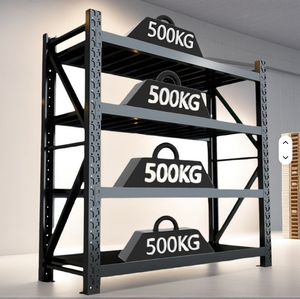
Mracking Industrial Light Duty Steel 5 Adjustable Snap-In Storage Racks Longspan Shelving
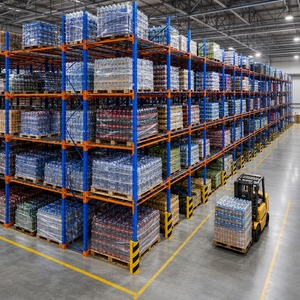
Palettenregal Pallet Flow Racking Steel Storage Rack Q235B Steel for Bulk Chemical Plants
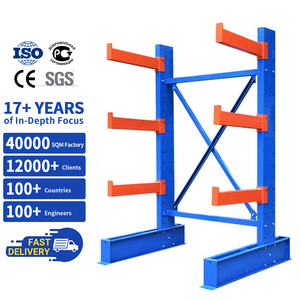
Durable Cantilever Rack System Heavy Duty 4 Layers Boards & Lumber Storage Shelf
Engineering Strategic Storage for Saudi Arabia’s National Logistics Center
Under the ambitious economic diversification framework of Saudi Vision 2030 and the National Transport and Logistics Strategy (NTLS), the Riyadh metropolitan region is undergoing a massive transformation into a world-class global logistics nexus. The development of high-throughput distribution hubs across MODON Industrial Cities (1st, 2nd, and 3rd Industrial Zones), the Sulay Logistics Cluster, Al-Mashael, and the newly designated Special Integrated Logistics Zone (SILZ) adjacent to King Khalid International Airport (KKIA) has generated unprecedented demand for high-performance structural steel racking infrastructure.
In modern industrial facilities handling fast-moving consumer goods (FMCG), pharmaceuticals, automotive components, and heavy building supplies, warehouse managers cannot afford storage bottlenecks or system failures. Selective pallet racking systems represent the engineering backbone of modern distribution networks in the central province. By delivering uninterrupted 100% direct accessibility to every individual pallet bay, selective racking maximizes picking velocity, supports dynamic FIFO (First-In, First-Out) material rotation, and easily integrates with contemporary warehouse management systems (WMS) and automated material handling equipment.
Micro-Geographic Logistics Integration Across the Riyadh Region
Sourcing an engineered storage system requires in-depth knowledge of local operating conditions, municipal regulations, and regional trade corridors. Our supply and export architecture is tailored to the specific micro-clusters defining Riyadh’s commercial ecosystem:
MODON Industrial Zones (1, 2, & 3)
Tailored for light-to-heavy manufacturing, assembly plants, and spare parts distribution centers. Structural configurations emphasize high uniform distributed load (UDL) capacities up to 4,500 kg per beam tier with impact-deflecting base column boots.
Sulay & Al-Kharj Highway 3PL Corridors
Engineered for third-party logistics providers requiring flexible vertical beam adjustability (50mm or 75mm increments). Accommodates standard GMA, Euro (1200x800mm), and industrial perimeter-base pallets (1200x1000mm) without system alteration.
SFDA Pharmaceutical & Cold Storage Chains
Fully compliant with Saudi Food & Drug Authority cold-chain standards. Utilizes ventilated galvanized wire mesh decking panels that optimize chilled laminar airflow and prevent temperature pockets in -25°C blast freezers.
Structural Calculations Aligned with FEM 10.2.02 and Saudi Building Code
A selective pallet rack is an unbraced or semi-rigid skeletal steel building structure governed by strict civil engineering codes. In Riyadh and the wider GCC region, failure to engineer racking systems against exact slab capacity and local ground conditions can result in catastrophic column buckling, beam joint slippage, or localized foundation punching failures.
Every selective racking system supplied and exported by our manufacturing facilities undergoes structural finite element analysis (FEA) compliant with EN 15512:2020 (Steel static storage systems – Adjustable pallet racking systems – Principles for structural design) and the Saudi Building Code (SBC 301 Structural Design, SBC 304 Steel Structures, and SBC 305 Seismic Specifications).
Upright Column and Box Beam Engineering Specifications
The structural load-carrying capacity of selective pallet racks depends heavily on upright cold-roll profiling and multi-hook mechanical locking dynamics:
- Cold-Formed Omega Upright Profiles: Our uprights utilize continuous roll-formed, multi-flanged omega cross-sections with material yield strengths ranging from 235 N/mm² (Q235B) up to 355 N/mm² (Q355B). The optimized profile design provides superior torsional rigidity and exceptional resistance to lateral torsional buckling under maximum dead and live vertical loads.
- Interlocking Dual-C Boxed Beams: Horizontal load beams are fabricated using precision roll-formed twin C-sections seam-welded to create high-moment closed box profiles. This geometry provides maximum section modulus per kilogram of steel, limiting vertical elastic deflection to less than L/200 under full rated safe working load (SWL).
- Drop-Forged Multi-Lug Connectors: Beams are integrated with 3-claw, 4-claw, or 5-claw high-strength cold-stamped end connectors. These mechanical lugs establish a semi-rigid connection that absorbs dynamic twisting moments generated during forklift pallet placement and retrieval.
- Spring-Steel Beam Safety Retainers: Every beam connection utilizes an engineered snap-in safety pin capable of withstanding upward shear extraction forces exceeding 5,000 N (5 kN), eliminating the risk of accidental beam dislodgement caused by forklift mast errors.
| Storage System Type | Pallet Selectivity | Floor Footprint Utilization | Typical Beam Height Range | Handling Equipment Compatibility | SBC & SCD Fire Protection Status |
|---|---|---|---|---|---|
| Selective Pallet Racking | 100% Direct (Immediate) | 35% – 45% (Standard Aisles) | 2,000 mm – 13,500 mm | Counterbalance, Reach Trucks, VNA | Full Compliance; Clean Flue Spaces |
| Double-Deep Racking | 50% Immediate (FILO / 2 Deep) | 50% – 60% (Fewer Aisles) | 3,000 mm – 11,000 mm | Deep-Reach Pantograph Forklifts | Requires intermediate in-rack sprinklers |
| Drive-In / Drive-Through | 15% – 25% (High LIFO Density) | 65% – 75% (Lane Storage) | 3,000 mm – 10,000 mm | Standard Counterbalance, Narrow Mast | Special fire design needed for lane depth |
| Very Narrow Aisle (VNA) | 100% Direct (Immediate) | 55% – 65% (Aisles < 1.8m) | 5,000 mm – 16,000 mm | Wire/Rail Guided VNA Man-Up Turrets | Requires superflat FM2 slab + high-rack foam |
| Pallet Flow / Gravity Racks | Lane Selective (Strict FIFO) | 70% – 80% (Deep Channel) | 2,500 mm – 8,000 mm | Standard Loading / Unloading Mast | Strict flue space design along gravity rails |
Saudi Civil Defense (SCD) & NFPA 13 Alignment for Pallet Warehousing
Securing municipal warehouse operating permits from the General Directorate of Saudi Civil Defense (Salamah Certification) is a critical compliance gate for warehouse facilities across Riyadh. Fire marshals and building inspectors enforce rigorous standards based on the National Fire Protection Association (NFPA) codes, specifically NFPA 13 (Standard for the Installation of Sprinkler Systems).
Non-compliant pallet rack configurations—such as obstructed longitudinal flues or improper non-ventilated wooden shelf decking—can delay facility occupancy licenses for months. As an experienced exporter to Saudi Arabia, we design our selective rack layouts to meet these safety criteria on initial inspection:
Longitudinal & Transverse Flue Clearances
Rack rows are engineered with row spacers maintaining a clean longitudinal flue of 75mm–150mm. This unobstructed vertical chimney ensures fast heat detection at roof level and unrestricted discharge from ESFR sprinkler heads.
Open-Mesh Wire Decking Panels
We replace combustible solid timber with cold-drawn steel wire decking (50x100mm mesh, >70% open aperture). This design ensures complete downward water penetration while preventing loose cartons from falling into forklift aisles.
Safety Impact Protection Package
Every layout includes wrap-around heavy-gauge column base protectors, floor-anchored aisle-end heavy steel crash barriers, and high-visibility yellow-and-black powder coated safety buffers to minimize structural forklift impacts.
Why Major Contractors & Logistics Developers Choose Us
Decades of automated roll-forming, global export governance, and rigorous quality systems back our intralogistics solutions across the GCC.
Calculated Structural Sizing
Every upright, beam, and anchor specification is derived from actual unit loads, dynamic seismic parameters, and floor slab concrete strength (C25/30 to C35/45). System designs are stamped with safe working load capacities.
Precision Layout Design
Our layout team develops full AutoCAD and Revit 3D models optimizing aisle widths, truck turning radii, column avoidance, and vertical clearance under building rafters and ESFR sprinkler heads.
Continuous Roll-Forming
Components are manufactured on high-speed CNC roll-forming lines featuring automatic precision in-line punching. This guarantees clean profile geometries and accurate upright-to-beam connection points.
Inspection & Relocation Support
Beyond export delivery, we provide technical installation supervision, annual EN 15635 structural rack inspections, replacement components, and turnkey racking relocation services for growing operations.
Export Logistics, Customs Clearance, and Saber Platform Compliance
Exporting industrial structural steel racking to the Kingdom of Saudi Arabia requires strict adherence to customs regulations, product conformity testing, and electronic platform approvals managed by SASO (Saudi Standards, Metrology and Quality Organization).
Our experienced export desk manages the end-to-end documentation pathway, preventing costly port storage demurrage charges at King Abdulaziz Port in Dammam or Riyadh Dry Port (RDP):
1. Saber Platform Registration (PCoC)
We register and certify selective pallet rack components under the SASO Technical Regulation for Building Materials and Construction Products. A Product Certificate of Conformity (PCoC) is issued via accredited conformity assessment bodies.
2. Shipment Certification (SCoC)
Every commercial container shipped to Dammam or Riyadh receives an electronic Shipment Certificate of Conformity (SCoC) via Saber, ensuring rapid customs verification through Saudi Customs (ZATCA) FASAH systems.
3. Container Stacking & Bundling
Uprights and beams are bundled using heavy polyester strap bands and wooden blocking to prevent flexural bending during transit. Steel baseplates, hardware, and safety accessories are shrink-wrapped in sturdy, heavy-duty wooden shipping crates.
Riyadh Warehouse Racking: Frequently Asked Questions
Direct answers addressing engineering, seismic compliance, import clearances, and slab loading across the central Saudi logistics market.
What slab information is required to design selective racking in Riyadh industrial areas?
To accurately calculate column baseplate surface areas and mechanical anchor bolt pull-out limits, our structural engineering team requires the concrete floor slab thickness (typically 180mm–250mm), the characteristic concrete compressive strength (e.g., C25/30, C30/37), steel reinforcement mesh configurations, subgrade modulus of reaction, and slab flatness specifications (e.g., DIN 18202 or TR34 FM2). This ensures that concentrated column point loads (often exceeding 6 to 12 metric tons per frame) do not cause localized concrete punching shear or sub-base settlement.
Are selective pallet racks compliant with the Saudi Building Code (SBC) seismic guidelines?
Yes. While Riyadh is located within a low-to-moderate seismic hazard zone compared to the Kingdom's western Red Sea rift, the Saudi Building Code (specifically SBC 301 and SBC 305) mandates that free-standing steel storage structures must account for base shear forces and seismic response coefficients (Ss and S1 mapping). Our structural calculations incorporate seismic base plates, heavy-duty floor anchor bolts (M12 to M16 grade 8.8), and specialized upright-to-beam connection stiffness testing in full compliance with EN 15512 and SBC criteria.
What are the lead times for manufacturing, maritime transit, and site delivery to Riyadh?
Standard fabrication for a mid-to-large distribution center (e.g., 2,000 to 10,000 pallet positions) typically takes 18 to 25 business days. Ocean transit from factory origin to King Abdulaziz Port in Dammam takes approximately 18 to 22 days, followed by 4 to 6 business days for customs clearance, electronic Saber validation, and dedicated flatbed transport along the Dammam–Riyadh highway or via the Riyadh Dry Port rail corridor. Overall project lead times from signed CAD layout approval to on-site delivery usually average between 6 to 8 weeks.
Why is selective racking preferred over drive-in racking for Riyadh omnichannel and retail hubs?
Drive-in racking delivers exceptional volumetric density for large batches of identical SKUs. However, it enforces a Last-In, First-Out (LIFO) order flow and requires lift truck operators to drive directly into storage lanes, which increases the likelihood of structural column damage. In contrast, selective pallet racking delivers 100% direct access to every pallet bay at all times. For high-velocity e-commerce fulfilment hubs, multi-client 3PL facilities, and fast-moving retail distribution across Riyadh, selective racking provides the highest order-picking velocity, zero pallet honeycombing, and direct compatibility with both standard counterbalanced forklifts and narrow-aisle reach trucks.
How does high summer ambient heat affect powder coatings on steel racking in the GCC?
Warehouses in Riyadh often experience indoor roof temperatures exceeding 55°C during summer months. Low-grade industrial paints can soften, chip, or experience micro-cracking under heavy thermal cycling. Our components undergo an automated multi-stage chemical pretreatment bath (degreasing and iron phosphating) followed by electrostatic application of thermosetting architectural-grade polyester powder coating, cross-linked at 190°C. This ensures a surface hardness exceeding 2H, high impact resistance against pallet scrapes, and zero degradation under high operational temperatures.
Can selective pallet racking accommodate non-standard pallets common in the Saudi import market?
Yes. Facilities across the Kingdom frequently handle a mix of standard industrial pallets (1200x1000mm), Euro pallets (1200x800mm), and non-standard ocean shipping skids. Our selective racking accommodates this by incorporating drop-in top-hat cross support bars, fork clearance pallet support rails, or heavy-duty galvanized wire mesh decking panels. These accessories support undersized, irregular, or damaged pallets safely between structural load beams without risk of dropping through.
What documentation is supplied to obtain the Civil Defense (Salamah) safety approval?
We deliver an engineering documentation package upon layout sign-off. This includes stamped architectural CAD layout plans detailing transverse and longitudinal flue clearances (NFPA 13 compliant), aisle egress widths, structural load calculation reports (UDL and frame point loads), mill test certificates for steel raw materials, paint flame-spread verification, and maximum safe working load warning plaques to be installed at the end of each completed rack row.
Can your company assist with on-site installation and testing in Riyadh?
Yes. We offer complete turnkey services across Saudi Arabia. Clients can choose between full turnkey assembly by certified GCC installation teams or dispatching our senior project installation supervisors to oversee, inspect, plumb, level, torque anchor bolts, and commission the structure alongside your local facility contractors.