Featured Commercial Shelving & Industrial Storage Systems
Certified heavy-duty fixtures engineered for retail display, automated backroom storage, and logistics operations in Hamburg and across the European Union.
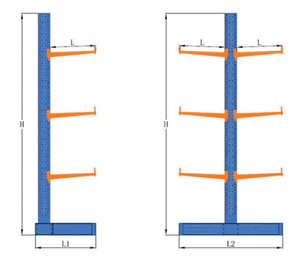
CE Certified Adjustable Heavy-Duty Cantilever Rack
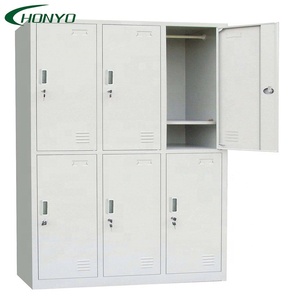
Stainless Steel Staff Changing Locker with Ventilation
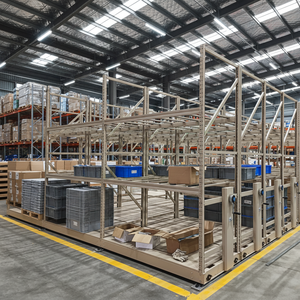
Heavy Duty Mobile Steel Warehouse Pallet Racking
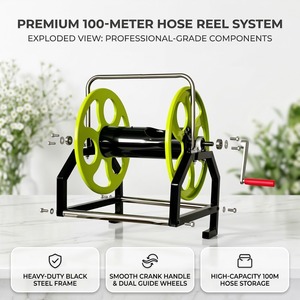
Heavy Duty Steel Frame Hose Reel & Pipe Storage Rack
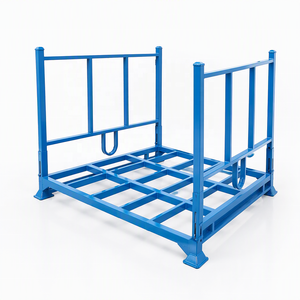
Steel Warehouse Mezzanine Floor & Stacking Shelves
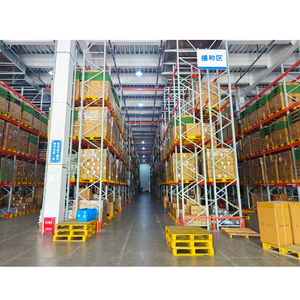
Industrial Mobile Pallet Rolling Storage Rack System
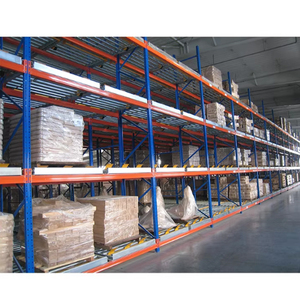
Warehouse FIFO Pallet Flow Roller Racking System
33 Inch Steel Flatbed Coil Rack & Logistics Accessory
Executive Industry Whitepaper: Grocery Store Shelving & Backroom Logistics in Hamburg
Hamburg stands as Northern Europe’s premier maritime trade hub and logistics gateway. As home to the Port of Hamburg (Handling over 7.7 million TEU annually), the region serves as the primary distribution nexus for major German retail giants, hypermarkets, organic food chains, and European grocery distributors. Operating within the Hamburg metropolitan region requires adherence to strict structural integrity guidelines, stringent hygiene protocols (HACCP standards), and environmental regulations governing steel manufacturing and powder coating processes.
Modern retail infrastructure in Hamburg has evolved beyond traditional front-of-house merchandising shelves. Retailers require integrated store-to-backroom storage ecosystems. High commercial real estate costs in urban Hamburg locations (such as Altona, Eimsbüttel, and Hafencity) compel grocery brands to maximize vertical cube utilization. Factory-direct export suppliers must deliver engineered solutions that bridge the gap between heavy-duty warehouse racking (EN 15512), high-density cold store flow racks, and aesthetic retail gondola systems.
Engineering Standards & Material Science Requirements for German Procurement
To successfully supply grocery store chains and logistics operators in Germany, manufacturing practices must meet rigid European structural parameters:
- Structural Steel Selection: Cold-rolled high-tensile steel structural profiles (Q235B, Q345B, S235JR, and S355JR grade steel) providing optimum load-to-weight ratios for multi-tier backroom mezzanine systems and heavy pallet storage.
- Hygiene & Food Safety Compliance: Stainless steel grade AISI 304 / 316 for meat, seafood, and dairy cold rooms. Non-porous, antibacterial powder coatings designed to withstand aggressive cleaning agents used in hygiene-critical grocery environments.
- Seismic & Load Safety Standards: Compliance with FEM 10.2.02 and EN 15512 specifications. Structural safety factors exceeding 1.55 for static loading, ensuring zero structural failure under full load capacities.
- Maritime Corrosion Protection: Hamburg’s maritime microclimate demands specialized surface treatments. Products utilize electro-galvanized undercoats and thermal-setting epoxy-polyester coatings rated for humid coastal warehouse conditions.
Grocery & Logistics Racking Applications in Hamburg
Tailored structural designs matching the specific spatial and operational workflows of German retail formats.
Urban Micro-Fulfillment Centers (MFC)
Designed for rapid Q-Commerce and online grocery pickup facilities near Hamburg’s city center. High-density mobile shelving and gravity flow racks optimize order picking times for high-velocity SKUs within compact footprints.
Hypermarkets & Discount Stores
Heavy-duty cash-and-carry racking systems built to handle heavy bulk pallet loads on lower levels while presenting clean, aesthetic retail shelving for retail shoppers on upper display levels.
Cold Storage & Chilled Warehousing
Mobile pallet racking and stainless steel ventilated shelving engineered specifically for Hamburg port cold-chain logistics hubs, operating reliably in sub-zero freezer conditions down to -30°C.
Beverage & Heavy Bottled Goods Racking
Reinforced beam structures with high deflection resistance built specifically for heavy beverage crates, keg storage, and high-turnover liquid distribution networks in Northern Germany.
FIFO Gravity Flow Roller Systems
First-In, First-Out (FIFO) pallet and carton flow racking equipped with speed controllers and safety brake rollers, ensuring strict inventory rotation for fresh produce and short-shelf-life goods.
Mezzanine Floor Stockrooms
Multi-tier structural rack-supported mezzanines that double or triple backroom storage capacity without expanding the store’s physical architectural footprint.
Key Retail & Storage Development Trends in Hamburg (2025–2030)
The supermarket and grocery retail ecosystem in Hamburg is undergoing a structural transition driven by urbanization, sustainability directives, and technological automation. Factories and exporters serving this market must align their product engineering with these emerging trends:
1. Green Steel & Sustainable Powder Coatings
German commercial buyers prioritize carbon-reduced supply chains. Modern shelving factories are adopting recyclable high-grade steel alloys, solar-powered manufacturing lines, and zero-VOC eco-friendly powder coating solutions to meet Germany's strict ESG transparency goals.
2. Seamless Integration with Automated Guided Vehicles (AGVs)
In response to labor shortages across Northern Germany, backroom storage systems are being designed for AGV and AMR (Autonomous Mobile Robot) compatibility. This requires ultra-precise rack positioning tolerances, specialized guide rails, and impact-resistant upright guards.
3. Modular & Reconfigurable Retail Merchandising
Grocery formats are shifting from static floor plans to agile layouts. Modern grocery store shelving requires tool-less adjustment mechanisms, standardized pitch holes (e.g., 50mm / 75mm standard pitches), and interchangeable accessories (wire baskets, pegboards, dividers) to allow fast seasonal reorganization.
Why Direct Importers & Retail Chains Partner With Our Factory
Combining direct factory pricing, custom structural engineering, and reliable sea-freight logistics directly to the Port of Hamburg.
ISO 9001 & CE Certified Production
Every shelving component is manufactured under strict Quality Management Systems. Advanced automated roll-forming and robotic welding ensure high dimension consistency and zero assembly defect rates.
Free CAD Layout & Static Load Calculation
Our in-house structural engineers prepare 2D/3D CAD layout plans, finite element analysis (FEA), and certified load calculations customized to your floor slab and ceiling clear heights.
Direct Hamburg Port Freight Expediting
Streamlined export packaging, anti-rust container stuffing techniques, and fixed shipping routes directly to Hamburg container terminals (CTA / CTB), ensuring minimal transit delays and lower landed costs.
Frequently Asked Questions for Buyers in Hamburg
Technical guidance for logistics managers, store planners, and procurement agents importing commercial shelving to Germany.
Do your shelving and racking systems comply with German DGUV and EN standards?
Yes. All industrial racking and commercial store shelving systems exported to Germany are engineered in accordance with DIN EN 15512 (Steel static storage systems), EN 15635 (Application and maintenance of storage equipment), and follow safety recommendations laid out in DGUV Regel 108-007 (formerly BGR 234). Safety load signs indicating bay capacity, shelf level limits, and inspection intervals are included with every export shipment.
What is the typical shipping lead time from your factory to the Port of Hamburg?
Production lead time typically ranges from 14 to 21 days depending on order customization, color matching (RAL shades), and structural specifications. Ocean freight transit time from our main export port to Hamburg port takes approximately 28 to 35 days. We also offer expedited booking for urgent store rollout schedules.
Can you manufacture customized shelf dimensions and corporate RAL color schemes?
Absolutely. We specialize in OEM and ODM manufacturing. We can customize column heights, shelf depths, load capacities, and powder coat fixtures to match exact brand identity colors (such as RAL 9005 Jet Black, RAL 7016 Anthracite Grey, or custom brand hues) widely used in modern European grocery interiors.
How do you ensure structural items are protected against sea moisture during container shipping?
Export components undergo export-grade protective packing. Beams and uprights are bundled with heavy-duty plastic film, corrugated corner guards, steel strapping, and moisture-absorbing desiccant packs placed inside each sealed container to prevent ocean vapor condensation and white rust during transit.
What documents are provided for German customs clearance and local building compliance?
We provide a full export documentation package including Commercial Invoice, Packing List, Bill of Lading (B/L), Certificate of Origin (Form E or CO), CE Compliance Certificates, Mill Test Certificates (MTC) for steel raw materials, and structural load capacity rating sheets.
Request a Custom CAD Layout & Factory Quote
Planning a new supermarket build, backroom renovation, or cold warehouse fit-out in Hamburg or Northern Germany? Speak directly with our export engineering team today.