Specialized Industrial Racking & Cold Storage Systems
Tested under severe blast freezing cycles down to -45°C. Fully compliant with Korean cold warehouse safety, ISO fabrication standards, and dynamic pallet handling requirements.
Engineering Whitepaper: Structural Metallurgy & Cold Room Physics
Operating an industrial storage system inside a controlled temperature facility entails severe physical challenges not found in ambient warehouses. In ambient distribution centers, structural failure is typically linked to forklift impact or mechanical overload. In sub-zero cold rooms, deep-freeze distribution nodes, and cryogenic blast chambers (-25°C to -45°C), the fundamental mechanics of structural steel change. Designers and logistics operators who specify standard carbon steel without understanding the Ductile-to-Brittle Transition Temperature (DBTT) risk catastrophic brittle shear failure without prior plastic deformation warning.
As standard mild steel cools, its atomistic body-centered cubic (BCC) crystal lattice resists dislocation movement under dynamic shear stress. At ambient room temperatures, mild steel yields ductile behavior—twisting or bending before breaking. However, below freezing thresholds, standard commercial steel (such as generic recycled Q235A or non-killed hot rolls) transitions into an extremely brittle state. An incidental knock from a reach truck or high-velocity counterbalanced forklift that would create a small dent at +20°C can trigger instant, catastrophic through-thickness crack propagation at -30°C.
Our cold storage engineering division eliminates this failure vector by utilizing mill-certified Q235B, Q355B, and low-temperature impact-resistant Q355D micro-alloyed structural steels. Every batch destined for cold-room production undergoes mandatory Charpy V-Notch (CVN) impact toughness testing at sub-zero temperatures (-20°C and -40°C), verifying absorbed energy values well exceeding 27 Joules per standard EN 10025-3 / GB/T 1591 parameters. This guarantees that your cold room upright columns and load-bearing shelf beams retain essential ductility under high-density racking loads.
Cold Chain Structural Engineering Safeguards
- Thermal Contraction Calculations: Accounts for longitudinal and transverse contraction of long-run structural beam bays during room pulldown cycles from +25°C to -35°C.
- Micro-Alloy Grain Refinement: Silicon-killed, fine-grained aluminum deoxidized steels engineered to suppress brittle transition boundaries.
- Frost-Heave Expansion Mitigation: Specialized high-strength floor baseplates and shim arrays engineered to distribute upright loads across insulated thermal floor slabs without cracking thermal insulation barriers.
- Anti-Corrosive Condensation Coating: Continuous moisture condensation during daily defrosting cycles requires thermoset cross-linked electrostatic powder coatings or ISO 1461 Hot-Dip Galvanization.
The South Korean Cold Chain Revolution: Meeting Localized Demand
South Korea possesses one of the world's most sophisticated and concentrated temperature-controlled logistics infrastructures. Driven by hyper-dense metropolitan consumer hubs (Seoul Capital Area, Gyeonggi Province, and Incheon) and the unprecedented rise of overnight Dawn Delivery (새벽배송) operated by industry giants such as Coupang Rocket Fresh, Market Kurly, SSG.com, and Oasis Market, cold chain facility real estate operates under razor-thin margin tolerances and intense throughput demands.
Gyeonggi & Incheon Logistics Corridors
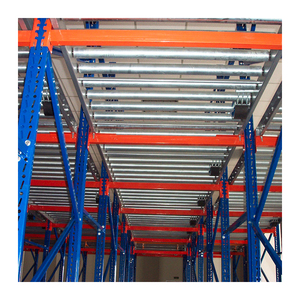
Space in cold storage clusters across Yongin, Icheon, Anseong, and Incheon Port Command is exceptionally costly. Our high-density gravity flow and drive-in racks maximize cubic building volume, elevating storage capacity by 45% to 65% over selective aisles.
K-HACCP & MFDS Sanitary Compliance
Korean Ministry of Food and Drug Safety (MFDS) sanitary codes require rust-free, non-toxic, and anti-microbial surfaces. Our seamless powder finishes and perforated galvanized decks prevent dust trapping and simplify wash-down protocols.
Korean Standard Pallet (T-11: 1100x1100mm)
While Western centers run 1200x1000mm or 1200x800mm, Korean cold stores universally integrate the KS A 2114 T-11 standardized plastic pallet. All our beam spans, flow lane rollers, and guide rails are mathematically optimized for T-11 footprints.
Technical Specifications & Structural Finish Matrix
Cold room shelving performance hinges on matching the exact storage system type and protective surface treatment with your operational thermal zone.
| System Typology | Operative Temperature | Material Specification | Surface Treatment | Pallet Density Ratio | Primary Korean Use Case |
|---|---|---|---|---|---|
| FIFO Gravity Pallet Flow | -30°C to +5°C | Q235B / Q355B Alloy | Thermo-Epoxy Powder / Galv Rollers | 85% - 90% (Ultra High) | E-commerce FMCG Dairy & Fresh Prep Hubs |
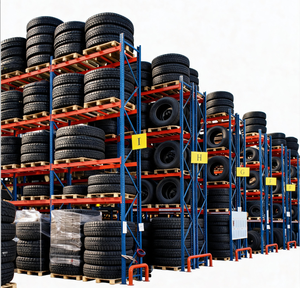
| Drive-In Deep Storage | -25°C to -10°C | Heavy Gauge Q235B Cold Rolled | Electrostatic Powder (80-120μm) | 75% - 85% (High Density) | Busan Port Frozen Seafood Bulk Import Nodes |
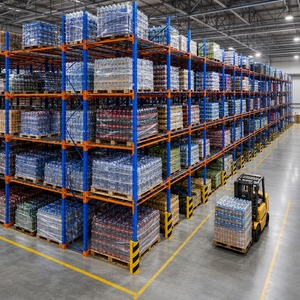
| Selective High-Bay Racking | -40°C to Ambient | Q235B / Q355D Low-Temp | Pre-Galvanized / TGIC-Free Powder | 50% - 60% (100% Direct Pick) | 3PL Multi-Tenant Refrigerated Warehouses |
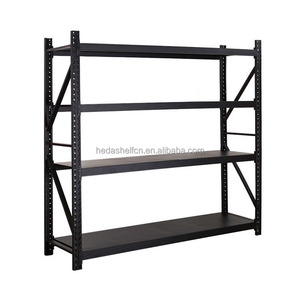
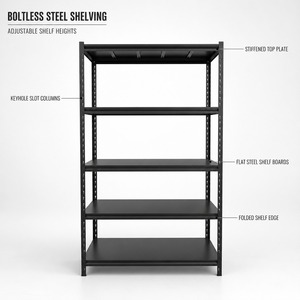
| Boltless Medium Duty Shelves | -20°C to +10°C | SPCC Cold-Rolled Carbon | Antimicrobial Zinc / Hybrid Coat | High Manual Selectivity | Vaccine, Bio-Pharma & Cleanroom Walk-ins |
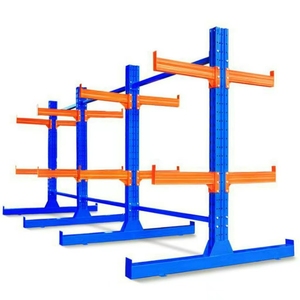
| Heavy Duty Cantilever | -20°C to Ambient | Hot Rolled I-Beams / Q355B | Hot-Dip Galvanized (ISO 1461) | Custom Linear Footprint | Refrigerated Meat Carcasses & Industrial Pipes |
Compliance with Korean Building Standards (KDS 41) & Fire Safety
South Korea updated its building seismic design codes extensively under KDS 41 (Korean Design Standard for Structural Design) following seismic events in Gyeongju and Pohang. Cold-storage high-bay racking systems with heights extending from 8 to 24 meters are classified as building-integrated or secondary non-structural components that must maintain static and dynamic load resilience under specific horizontal spectral acceleration coefficients (Sds).
Seismic Verification for Korea Logistics Real Estate
- Finite Element Stress Analysis (FEM): Every upright frame profile is calculated using finite element modeling per FEM 10.2.02 and EN 15512 to verify allowable deflection limits under full live-load conditions.
- Sub-Zero Anchoring Engineering: Anchoring racking bases into cold store floors requires specialized chemical resin capsules or heavy mechanical wedge anchors capable of maintaining torque retention inside cryogenic concrete.
- Flue Space & In-Rack Sprinkler Integration: Engineered to meet Korean National Fire Safety Standards (NFSC 103), ensuring longitudinal and transverse flue clearances align with automated ceiling ESFR and in-rack fire suppression nozzles.
Installing standard ambient racking in Korean cold facilities without certified seismic validation is an immediate regulatory liability. Under sub-zero operating regimes, ground tremors cause amplified dynamic harmonic shock that instantly concentrates at beam-to-column connector points. If connectors are stamped from standard sheet without anti-dislodgement locking pins, progressive collapse can flatten an entire logistics hall.
Our upright designs utilize an advanced 5-claw teardrop and diamond punching pattern cold-formed on high-precision German-engineered multi-stage rolling lines. The load-locking pins are fabricated from high-tensile spring steel that remains ductile down to -50°C, ensuring dynamic stability against both internal reach-truck bumps and external seismic displacement.
Why South Korean Tier-1 Logistics Firms Partner Directly With Our Factory
Sourcing cold-room structural systems through local Korean trade intermediaries often introduces 30% to 50% markups, opaque lead times, and fragmented technical accountability. Partnering direct with our advanced manufacturing facility in China provides tangible commercial and engineering advantages:
Direct Mill Pricing & Scale
With an annual processing capacity exceeding 80,000 metric tons of prime steel, we pass massive raw material volume economies directly to Korean EPCs, 3PLs, and cold facility owners.
Rapid 48-Hour Port Dispatch
Our main coastal manufacturing center is strategically situated within short trucking distance of major container terminals (Qingdao, Shanghai, Ningbo). Sea transit time to Incheon or Busan Port takes just 2 to 3 days, enabling swift project schedules.
China-Korea FTA (한중 FTA)
We provide full documentation and Certificate of Origin (Form E / Form K-C FTA) support, enabling Korean importers to leverage preferential zero-tariff or reduced import duty customs clearance smoothly.
Frequently Asked Questions: Sourcing Cold Room Shelving from China to Korea
Clear, direct technical answers addressing the most critical procurement, compliance, and structural engineering questions raised by Korean warehouse operations directors.
What steel grade is mandatory for freezer rooms operating below -25°C in Korea?
For temperatures down to -20°C, fully-killed Q235B is structurally sound under static loadings. However, for blast freezers, pharmaceutical cold chambers, and meat storage facilities dropping to -25°C down to -45°C, we specify Q355D or low-temperature impact-tested Q355E alloy steel. These grades maintain Charpy V-notch impact energy absorption ratings above 27J at -40°C, protecting the uprights and beams against brittle fracturing when subjected to accidental forklift impact at extreme sub-zero temperatures.
How does your powder coating withstand continuous defrost moisture cycles without peeling?
In cold stores, frequent door openings create condensation during defrosting cycles, presenting severe rust risks. We employ a rigorous 7-stage automated chemical pre-treatment process (including zinc-iron phosphating and nanotechnology silane passivating rinses) followed by electrostatic application of thermosetting TGIC-free epoxy-polyester architectural powder coating (80–120 microns thick). Baked at 200°C, this forms a cross-linked protective barrier proven to pass 500+ hours of continuous salt-spray testing without micro-blistering or delamination.
Can your gravity flow racks accommodate Korean T-11 standard plastic pallets?
Yes. Korean logistics utilizes the standard 1100x1100mm plastic pallet (T-11 type) per KS A 2114. Unlike wooden Euro pallets that run on standard roller pitches, flexible bottom runners of plastic pallets require specialized twin-lane or three-lane roller beds with optimized brake roller spacing (typically every 1.5 to 2.0 meters) and sub-zero lubricated sealed bearings. This prevents sagging, sticking, or uncontrolled acceleration in cold room flow lanes.
How do you handle seismic structural calculations required by Korean local authorities?
Our engineering department operates advanced structural calculation software aligned with Korean Design Standard KDS 41 (Architectural Structural Design Code) and international standards (EN 15512 / RMI). We generate complete project documentation, including dead/live load balance charts, dynamic spectral response reports, anchor pull-out validation values, and CAD structural shop drawings ready for review by your certified Korean structural engineer (건축구조기술사).
What is the shipping time and procedure for delivery to Incheon or Busan Port?
Standard fabrication runs between 15 to 25 days depending on project tonnage. Once packed in container bundles with protective non-woven wrap and edge guards, shipping from Qingdao, Shanghai, or Ningbo port to Incheon or Busan takes only 2 to 3 days on the water. We provide complete commercial invoices, packing lists, Bill of Lading, and Korea-China FTA Certificate of Origin for fast customs clearance.
Do you supply floor anchoring systems designed for insulated cold room slabs?
Yes. Cold storage slabs feature continuous under-floor thermal insulation (XPS) and vapor barriers. Punching anchor holes improperly creates thermal bridges that trigger frost boil and floor cracking. We engineer enlarged baseplates that distribute point loads over wider concrete footprints, accompanied by cryogenic-grade mechanical wedge anchors or specialized low-temperature curing injection chemical resins that cure effectively down to -20°C.
Equip Your Korean Cold-Chain Facility with Structural Precision
Direct manufacturer collaboration, certified sub-zero steels, and complete CAD layout engineering tailored to the high-density requirements of Korean 3PL and Dawn Delivery networks.