Featured Industrial Archive & Warehouse Storage Systems
Load-calculated, precision roll-formed cold steel storage units, high-capacity cantilever assemblies, and mobile security lockers manufactured for industrial plants, distribution centers, and corporate archival facilities throughout Mexico.
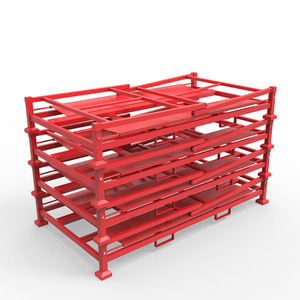
Foldable Stacking Turnover Rack Fabric Metal Steel Pallet Movable Foldable Stacking Shelf for Warehouse
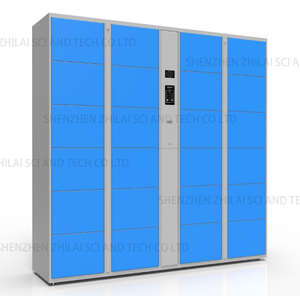
Smart Metal Cabinet Luggage Storage Barcode Electronic Locker for School Student Gym Laundry Beach
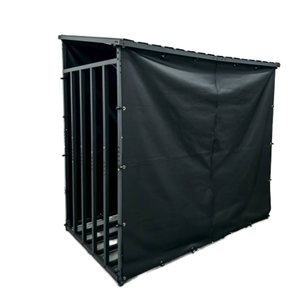
High Quality Wholesale Superior-Grade Modern Log Holder Firewood Rack Black Alloy Steel
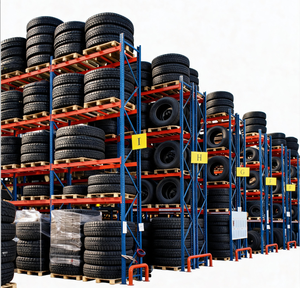
Custom Heavy Duty Industrial Pallet Racking Load Capacity Warehouse Pallet Shelving Q235 Steel Beam Type
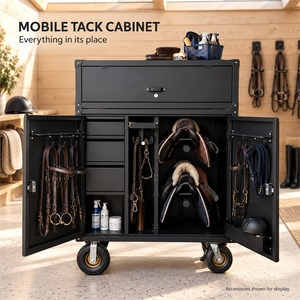
Factory Heavy Duty Mobile Stainless Steel Horse Tack Locker Wheels Detachable Top Lockable Storage Cabinet
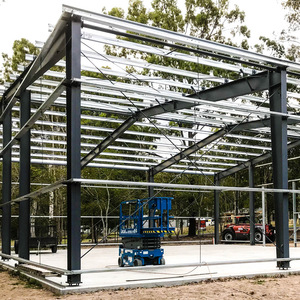
Custom Heavy Modern Design Second Floor Steel Platform Mezzanine Loft for Warehouse Steel Structure Building
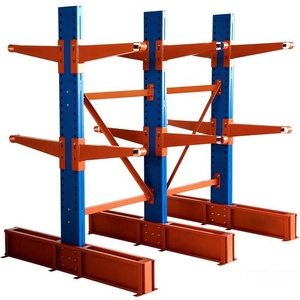
Victory Warehouse Storage Shelving Rack Cantilever Racking Heavy Duty System For Lumber
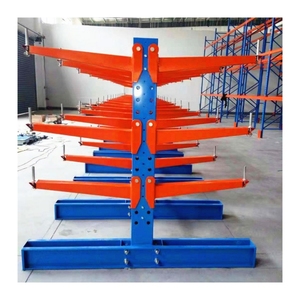
Industrial Shelving Pipe Storage Equipment Warehouse Heavy-duty Cantilever Racking Systems Display Shelves Steel Coil
Nearshoring Velocity & Industrial Storage Footprint in Mexico
The manufacturing and logistics landscape in Mexico is experiencing an unprecedented tectonic shift fueled by international nearshoring investments, supply-chain re-anchoring under the USMCA (T-MEC) regulatory architecture, and massive maquiladora infrastructure expansion. Across metropolitan epicenters like Monterrey (Nuevo León), Saltillo (Coahuila), Tijuana (Baja California), Ciudad Juárez (Chihuahua), and the El Bajío industrial corridor (Querétaro, Guanajuato, and San Luis Potosí), modern Class-A warehouse vacancy rates have plummeted below 1.5%. In this high-density operating environment, industrial square footage commands record-high lease rates, transforming physical document storage, spare-parts inventory, and tool archiving from passive facilities management into mission-critical footprint optimization challenges.
Modern manufacturing corporations operating under IMMEX authorization, multinational pharmaceutical entities complying with COFEPRIS strictures, and commercial banking centers supervised by the CNBV face non-negotiable statutory requirements to maintain massive paper-based documentation archives. Under Article 30 of the Mexican Federal Fiscal Code (Código Fiscal de la Federación - CFF), physical records of customs declarations (pedimentos), origin certifications, asset amortization books, and payroll registers must remain intact, accessible, and protected from degradation for intervals spanning 5 to 10 years, and often indefinitely for corporate governance deeds. Procurement managers and plant engineers can no longer deploy residential-grade slotted angle shelving that bends under the weight of standard heavy archive boxes (cajas de archivo muerto); they demand fully engineered, seismic-rated cold-formed steel archive shelving factories and suppliers equipped to deliver structural stability and fire code compliance.
Seismic Engineering & NOM Safety Regulations in Mexican Warehouses
Why structural steel grade selection, moment-resisting upright connections, and seismic micro-zonation determine long-term facility security.
CFE Seismic Zone D & C Compliance
Mexico sits atop five tectonic plates, dividing into four distinct seismic zones (A, B, C, D). Central Mexico (including the lacustrine clay beds of CDMX and the Estado de México) and Pacific industrial zones feature intense ground acceleration. Our archive shelving systems are modeled mathematically using response spectrum analysis under the Manual de Diseño de Obras Civiles de la CFE to ensure cross-bracing and anchor systems resist severe horizontal ground displacement.
High-Tensile Cold-Rolled Q235B / Q355B Steel
Unlike commercial low-gauge decorative sheet metal, our upright columns and horizontal cross beams are cold roll-formed using structural-grade Q235B and Q355B coil stock (equivalent to ASTM A36 and ASTM A572 Grade 50). This material profile delivers superior yield strength (≥355 MPa), ductile performance without micro-fracturing along continuous 50mm adjustment slot punches, and calculated torsional-flexural buckling stability.
NOM-006-STPS & Protección Civil
Mexican labor department guidelines (NOM-006-STPS-2014) mandate documented safety factors, load signage, aisle clearances, and certified structural stability for all manual material handling storage equipment. Our archive installations include certified load plates, column footplates engineered for chemical epoxy anchoring, anti-collapse rear mesh screens, and full technical dossiers required by local Civil Protection inspectors.
Technical Specification Matrix: Archive Storage Architectures
| Storage System Classification | Standard Upright Profile | Shelf Uniform Distributed Load (UDL) | Max Bay Clear Height | Seismic Anchorage Spec | Primary Application in Mexico |
|---|---|---|---|---|---|
| High-Density Mobile Archive (Compactus) | 1.5mm - 2.0mm Cold-Rolled Omega | 80 - 150 kg per shelf tier | Up to 3,200 mm | Embedded flush track + anti-tip guide | Corporate SAT records, legal archives, banking centers |
| Heavy-Duty Industrial Archive Shelving | 2.0mm - 2.5mm Teardrop/Diamond Post | 250 - 600 kg per shelf tier | Up to 6,000 mm | M12 Hilti/Simpson chemical studs | Maquiladora central archive, heavy parts records |
| Multi-Tier Rack Supported Mezzanine | Structural Box Beam + 3.0mm Upright | 300 - 1,200 kg/m² floor load | Multi-level (up to 12,000 mm) | Heavy baseplate with dual M16 anchors | Consolidated 3PL record management, e-commerce parts |
| Foldable Turnover / Pallet Stacking Racks | Heavy Tubular Welded Q235 Steel | 1,000 - 1,500 kg per unit | 4-tier vertical stacking | Self-nesting precision alignment cups | Automotive Tier 1/2 buffer inventory, fabric rolls |
| Heavy Cantilever Racks (Pipes & Billets) | Hot-Rolled IPE/HEA Structural Profiles | 500 - 3,500 kg per arm | Up to 9,000 mm | Heavy anchor cage embedded in slab | Steel profile distribution, raw material storage hubs |
Industrial Application Scenarios Across Mexico's Economic Corridors
Tailored industrial storage deployments addressing climatic extremes, floor slab limitations, and specific operational requirements from border maquilas to central distribution parks.
Tijuana, Mexicali & Ciudad Juárez
Focus: Maquiladora Export Compliance & IMMEX Audits. Electronics, medical device, and precision metal factories require clean, dust-resistant archive shelving systems. In Mexicali and Ciudad Juárez, extreme summer ambient temperatures (+45°C) demand thermosetting powder coats that will not degrade, chalk, or outgas volatile organic compounds (VOCs). High seismic coefficients in Baja California mandate heavy-duty baseplates with torque-controlled mechanical expansion anchors.
Monterrey, Saltillo & Ramos Arizpe
Focus: Automotive Tier-1 Tooling & Quality Traceability. The intense concentration of automotive assembly plants in Nuevo León and Coahuila necessitates rugged, high-density boltless archive shelving capable of storing thousands of physical Quality Control (QC) inspection logs, PPAP binders, and physical metallographic samples for 15-year lifecycle guarantees. Modular multi-tier mezzanine configurations maximize high clear heights (10m - 12m) in newly developed industrial parks in Apodaca, Santa Catarina, and Ciénaga de Flores.
Querétaro, Silao, Celaya & SLP
Focus: High-Spec Engineering & Sensitive Documentation. Aerospace components manufacturers in Querétaro and automotive OEM suppliers throughout Guanajuato demand fire-rated archive storage solutions with flue spaces engineered precisely to avoid obstructing automatic ESFR ceiling sprinklers. Cleanroom-adjacent archive shelving units require specialized electrostatic dissipative (ESD) or smooth, non-porous powder coatings to prevent particulate shedding during routine handling.
CDMX, Cuautitlán Izcalli & Toluca
Focus: Extreme Urban Space Optimization & Soft Soil Subgrades. With industrial land prices reaching historical peaks in Mexico City and the Cuautitlán-Tepoztlán corridor, companies deploy mobile mechanical-assist Compactus systems that eliminate fixed access aisles, achieving 80% to 150% capacity increases within existing footprints. In addition, foundation engineering must calculate floor slab punching shear over Mexico City's soft volcanic lacustrine clays.
Market Trends Driving Storage & Archival Infrastructure in Mexico
1. The Rise of Hybrid Archival: Physical Boxes & Digital Retrieval
While electronic billing (CFDI 4.0) is universal across Mexico, legal arbitration, union agreements (STPS), and cross-border trade dispute resolution still require the presentation of stamped original paper documents. Consequently, top logistics operations in Mexico are transitioning toward hybrid archival systems: standard heavy-duty archive racks integrated with 2D barcode identification slots and smart electronic lockers to bridge the gap between physical documentation and computerized Warehouse Management Systems (WMS).
Our specialized archive storage shelving is configured to accept standardized Coroplast and corrugated archive box dimensions (380mm x 305mm x 254mm), preventing wasted cubic space between shelves while ensuring full compatibility with automated mobile scanning pickers.
2. High-Strength Modular Prefabrication vs. Field Welding
Historically, many local Mexican workshops offered custom-welded angle iron shelving fabricated directly on site. However, certified industrial park managers (AMPIP) have banned uncertified hot works and field welding inside speculative buildings due to fire hazards and insurance liabilities. The market has definitively shifted toward boltless, cold-formed pre-engineered roll-formed systems featuring interlocking structural clips and precision-punched slots.
Modular interlocking systems not only install 70% faster without structural permits for hot work, but they also offer total reconfigurability and residual value: bays can be relocated, elevated, or expanded into two-tier mezzanine systems as inventory grows.
From Warehouse Survey to Loaded Commissioning
Our rigorous 5-stage procurement and installation methodology ensures complete structural safety, load certification, and smooth sign-off by Mexican Civil Protection authorities.
Structural Site Survey
Laser measurement of floor slab flatness (FF/FL numbers), core slab compressive strength testing (f'c), clear heights beneath lighting trusses, column grid spacing, and fire sprinkler clearances.
Capacity & FEA Modeling
Comprehensive load analysis calculating exact box counts, pallet dead weights, and seismic response factors under local municipal construction codes (Reglamento de Construcciones).
Precision CNC Production
Continuous roll-forming on automated multi-stage roll-forming lines, automated punching, continuous seam welding, and multi-stage phosphate washing with electrostatic powder coating.
Customs & Jobsite Logistics
Direct export coordination with bonded carriage through major Mexican ports (Manzanillo, Veracruz, Altamira) or Laredo/Otay Mesa land borders with complete Bill of Lading and pedimento validation.
Certified Erection & Handover
Assembly supervised by certified rigging personnel using calibrated torque wrenches for chemical anchors, plumb-line verification, load safety plaque mounting, and as-built drawings.
Factory-Direct Engineering Pedigree for Mexican Procurement
Direct OEM capability, robotic welding reliability, and rigorous load testing standards eliminate middleman markups and reduce procurement cycle times.
Calculated Load Certifications
We do not guess load tables. Every archive upright, beam connector, and cantilever arm undergoes finite element stress simulations (ANSYS) and physical destructive cycle testing under FEM 10.2.02 and RMI specifications. Clear load capacity warning signs are riveted to every bay for immediate verification during municipal audits.
Electrostatic Powder Coating System
Our fully automated 12-stage pre-treatment, nano-ceramic conversion, and electrostatic epoxy-polyester powder coating lines bake finishes at 200°C. This delivers an ultra-durable 70–90 micron layer resistant to scratching, hydraulic fluid, acid condensation, and standard ASTM B117 salt spray tests exceeding 500 hours.
Rapid Bidding & CAD Layout Turnaround
Send our applications engineering desk your facility architectural floor plan (DWG/PDF), clear height, and box inventory count. We deliver a detailed 3D layout, aisle clearance optimization plan, and a transparent itemized Bill of Materials (BOM) with commercial pricing in USD or MXN within 48 business hours.
Frequently Asked Questions: Sourcing Archive Shelving in Mexico
Essential legal, technical, structural, and import considerations answered for plant directors, logistics managers, and supply chain buyers.
What specific Mexican regulatory standards (NOM) govern archive shelving and warehouse storage systems?
In Mexico, industrial archive shelving and racking installations must comply primarily with NOM-006-STPS-2014, which regulates safety and health conditions for the storage and manual/mechanical handling of materials. This standard requires documented periodic visual inspections, load capacity signage visibly displayed on each rack row, structural plumb verification, and certified anchoring to prevent overturning. Furthermore, storage layouts must strictly adhere to NOM-002-STPS-2010 regarding fire prevention, ensuring archive shelf heights do not obstruct sprinkler cone dissemination patterns (maintaining minimum 45cm to 90cm clearances under deflector heads) and keeping emergency evacuation routes unblocked.
How do Mexico's regional seismic zones impact shelving column anchoring and bracing calculations?
Mexico is divided into Seismic Zones A (negligible), B & C (moderate), and D (severe acceleration) according to the Manual de Diseño de Obras Civiles de la Comisión Federal de Electricidad (CFE). When deploying high-bay archive shelving or mobile compactors in Zone D (e.g., Guerrero, Michoacán, Oaxaca, and parts of Jalisco/Baja California) or Zone III of Mexico City (CDMX's lacustrine soft subsoil zone), shelving frames must be engineered with increased horizontal seismic force factors (Cs). This requires heavy-duty baseplates with a minimum thickness of 8mm, high-strength chemical anchor studs (such as Hilti HIT-HY 200 or Simpson Strong-Tie) with at least 100mm to 150mm embedment depth, cross-aisle overhead structural ties, and full X-bracing along the rear uprights.
What slab thickness and concrete compressive strength (f'c) are required for heavy archive and mezzanine installations?
For standard single-tier industrial archive shelving, an industrial slab thickness of 150mm (6 inches) with a 28-day compressive strength of f'c ≥ 200 to 250 kg/cm² is generally adequate. However, for high-density mobile compactor systems or two- to three-tier archive mezzanine lofts, concentrated post point loads can reach 1,800 to 4,500 kg per baseplate. For these heavy-load configurations, a reinforced slab thickness of 180mm to 200mm with f'c ≥ 250 to 300 kg/cm² (with welded wire mesh or rebar reinforcement) is required to prevent punching shear failure. Our engineering team conducts slab verification calculations based on your structural foundation blueprints prior to system manufacturing.
Can foreign enterprises import archive shelving under the IMMEX program or Rule 8va in Mexico?
Yes. Registered maquiladora entities operating under the IMMEX (Industria Manufacturera, Maquiladora y de Servicio de Exportación) program can temporarily import industrial racking, shelving, and warehouse capital equipment intended to support productive export processes with deferred or zero-rate VAT (IVA) via certified VAT/IEPS certification. In cases where complete industrial assemblies or specialized steel parts are sourced directly, Mexican customs brokers frequently utilize Tariff Heading 9403.20 (other metal furniture/racks) or specific Rule 8va (Regla 8a) import permits to streamline clearance through maritime ports (Manzanillo, Altamira) or border customs entries (Nuevo Laredo, Colombia, Otay Mesa).
How does the local climate affect the selection of powder coating versus galvanized finishes?
Mexico features diverse microclimates. In central high-altitude regions (Toluca, CDMX, Querétaro), humidity levels are low to moderate; our standard 70–90 micron thermosetting epoxy-polyester powder coating offers decades of corrosion resistance and aesthetic durability. However, for installations near the Gulf of Mexico (Veracruz, Altamira, Coatzacoalcos) or coastal Pacific logistics parks (Lázaro Cárdenas, Manzanillo), airborne chloride levels and relative humidity frequently exceed 85%. In these coastal microclimates, we specify a zinc-rich epoxy primer undercoat followed by polyester topcoat or fully hot-dip galvanized (HDG) structural components tested to withstand 1,000+ hours of continuous salt spray without oxidation.
What documentation is required by Mexican Civil Protection (Protección Civil) for final sign-off?
During municipal facility audits, municipal Civil Protection authorities require a certified structural stability certificate (Dictamen de Estabilidad Estructural) signed by a certified structural engineer (Director Responsable de Obra - D.R.O. or Corresponsable en Seguridad Estructural). To support your local DRO sign-off, our engineering department provides a complete structural dossier comprising FEA calculation memories, steel mill material quality certificates (EN 10204 3.1), seismic anchor load capacity calculations, as-built installation drawings, and load rating plaques stamped to verify safe live and dead load limits.
Accelerate Your Facility Storage Footprint in Mexico
Whether you require high-density mobile compactor archives for legal records in CDMX, heavy-duty automotive spare parts shelving in Monterrey, or a custom multi-tier warehouse mezzanine in Querétaro, our structural engineers deliver precision-manufactured storage systems engineered to your floor slab, fire suppression codes, and budget.