Featured Industrial Archive & Storage Equipment
Engineered to strict FEM and EN 15512 safety protocols. Manufactured using prime cold-rolled steel (SPCC/Q235B) with anti-corrosion electrostatic powder coatings, designed for high-density document archives, smart logistics, and industrial warehousing.
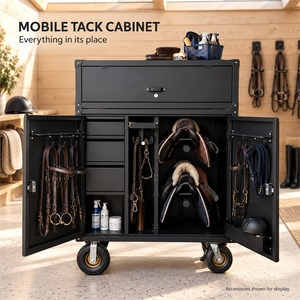
Factory Heavy Duty Mobile Stainless Steel Horse Tack Locker Wheels Detachable Top Lockable Saddle Storage Cabinet Equestrian
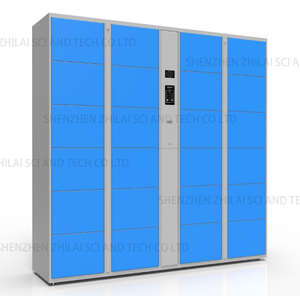
Smart Metal Cabinet Luggage Storage Barcode Electronic Locker for School Student Gym Laundry Beach
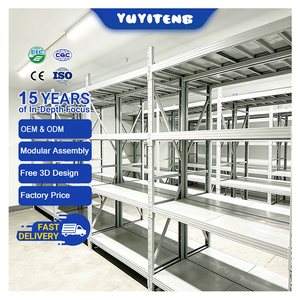
Storage Shelving Units Warehouse Racks Commercial Movable Shelving Units
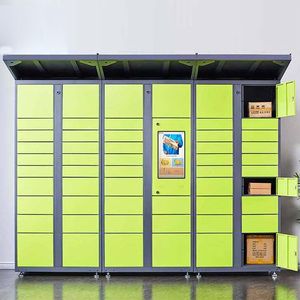
Parcel Delivery Locker Digital Storage Box Steel Automated Locker Metal Electronic Cabinet Face Recognition Smart Lockers
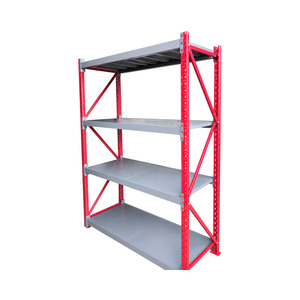
Adjustable Steel Longspan Shelving Unit 5-Tier Medium Duty Warehouse Storage Rack Corrosion Resistant Metal
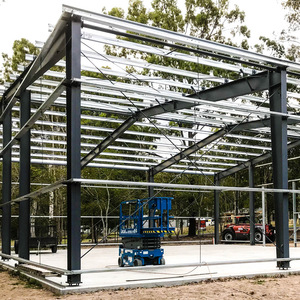
Custom Heavy Modern Design Second Floor Steel Platform Mezzanine Loft for Warehouse Steel Structure Building
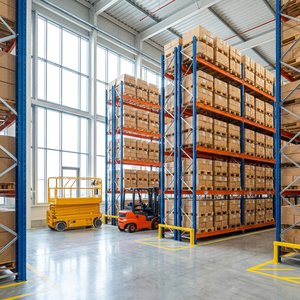
Warehouse Equipment Heavy Duty Pallet Rack Steel Storage Racking System Supplier
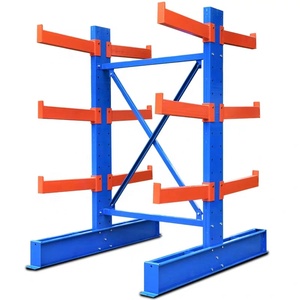
Industry Steel Pipe Storage Double Sided Heavy Duty Cantilever Rack
Maximizing Cubic Utilization: The Physics of Mobile Archive Compactor Systems
A granular examination of load distribution, gear reduction mechanics, and anti-tilt stabilization in modern high-density archive shelving environments.
In municipal records depositories, banking transaction archives, pharmaceutical research vaults, and national library stacks, real estate costs mandate extreme volumetric efficiency. Traditional fixed-aisle shelving systems typically consume 55% to 65% of floor space purely for access corridors. China's premier archive storage shelving manufacturers solve this structural inefficiency through precision-engineered high-density mobile shelving (also known as mobile compactors).
By placing shelf ranges onto rigid, heavy-gauge steel mobile bases that travel along ground-embedded or floor-surface guide rails, mobile archive compactors eliminate all fixed corridors except for one dynamic, moveable access aisle. This mechanical innovation immediately increases archive storage density by 80% to 120% within the exact same structural footprint, while significantly lowering total thermal conditioning and fire suppression overhead per linear meter of stored records.
Cold-Rolled SPCC Architectural Integrity
Fabricated using premium cold-rolled carbon steel plates complying with JIS G3141 and ASTM standards. Columns, uprights, and shelf tiers undergo precision CNC progressive roll-forming to ensure uniform thickness, deflection limits under 1/200th span, and superior load ratings exceeding 80kg per tier.
Dual-Gear Multi-Stage Drive Reducers
Incorporates solid alloy sprockets, high-tensile drive chains, and bearing-mounted heavy drive axles. The mechanical mechanical gear ratio (typically 1:4.8 to 1:6.5) allows an operator to move an entire loaded bay row weighing in excess of 5,000kg with less than 2.5kg of manual handwheel force.
Seismic Interlock & Anti-Tilt Protection
To safeguard personnel and valuable historical records against ground shifts, each mobile chassis is fitted with hardened alloy anti-topple steel hooks interlocking with the base rails. Dual-sided centralized mechanical locks seal the bank of shelves into a single solid, dustproof, and light-tight security block.
Comparison of Archive Storage Configurations
Direct comparative engineering data comparing traditional static shelving, mechanical hand-crank compactor shelving, and smart automated electric archive compactors.
| Performance & Engineering Attribute | Standard Static Archive Shelving | Mechanical Manual Hand-Crank Compactor | Intelligent Electronic / Smart IoT Compactor |
|---|---|---|---|
| Volumetric Space Utilization | Baseline (35% - 40% Effective) | High (75% - 85% Effective) | Maximum (88% - 92% Effective) |
| Load Capacity Per Bay (Linear Shelf) | 40 - 60 kg / Level | 80 - 120 kg / Level | 100 - 150 kg / Level |
| Safety Interlocks & Crash Protection | Passive (Fixed Structure) | Mechanical Aisle Safety Locks & Brakes | Infrared Optical Curtains + Floor Pressure Pads + Anti-Pinch Sensors |
| Access Control & Data Integration | Physical Key Padlock Only | Centralized Mechanical Gang-Lock | RFID, Facial Recognition, Biometric Scanner & ERP/WMS API Sync |
| Climate & Pest Resistance | Open Exposure to Light, Dust, Air | Neoprene Perimeter Seals + Magnetic Strips | Automated Vent Mode (Timed Bay Separation for HVAC Degassing) |
| Estimated Capital Expenditure (CAPEX) | Low | Moderate (Highest Operational ROI) | Higher (Optimized for High-Throughput & Security) |
| Compliance Benchmark | ISO 9001 | FEM 10.2.02 / ISO 14001 | CE Machinery Directive / EN 15095 / EN 15512 |
Future Procurement Trends in Archive Storage Shelving (2025–2035)
How institutional buyers, corporate records managers, and global EPC contractors are reshaping the RFP criteria for high-density storage manufacturing.
Low-VOC Powder Coatings & Eco-Steel Metallurgy
Procurement departments across Europe, the Middle East, and North America now demand environmental product declarations (EPDs). Leading Chinese manufacturers are adopting phosphorus-free silane pre-treatment washings and heavy metal-free epoxy-polyester thermosetting powder coatings. These specialized coatings prevent off-gassing that could degrade sensitive cellulose historical paper documents or microfilms over multi-decade archival cycles.
Modular Reconfigurability & Architectural Portability
Modern institutional leases discourage permanently destructive floor penetrations. Sourcing strategies favor surface-mounted false floor systems and modular modular tracks that allow complete dismantling, bay expansion, or relocation to new facilities without damaging the structural slab. Buyers look for universal standardized punch pitches (50mm increments) enabling quick shelf height adjustments.
Biometric & Chain-of-Custody Tracking Integration
The merger between physical shelving and digital document management software is accelerating. High-security tenders now specify automated record-location lighting, electronic shelf tags (e-paper), and automated bay opening triggered by ERP queries or RFID batch readers. Every access event must be logged to a cloud server to satisfy rigorous international compliance regulations (HIPAA, GDPR, National Archives standards).
Factory-Direct Flat-Pack Container Load Optimization
With oceanic freight rates subject to macro-market fluctuations, global buyers partner with Chinese manufacturers that provide precision knockdown (KD) flat-pack engineering. Using custom high-density steel cradles and precision carton packing, components fit into 40-foot High Cube (40HQ) ocean containers without wasted air space, dramatically slashing freight landed cost per linear meter of storage capacity.
Technological Development Trends in Archive Storage Shelving
Exploring the transition from purely mechanical mobile compactors to cyber-physical smart storage environments.
Integrated IoT Microclimate Sensing
Next-generation archive compactors feature embedded microclimate IoT sensors within each shelf bay. Real-time temperature, humidity, and volatile compound data feed directly into building management systems (BMS). If humidity exceeds 60% RH, the compactor array automatically enters "Ventilation Mode," spacing the bays 10cm apart to allow circulating dehumidified HVAC airflow.
Brushless DC Servo Motors & Soft Braking
The mechanical evolution of electronic compactors utilizes 24V/48V brushless DC servo motors coupled with micro-inverters. This delivers ultra-smooth S-curve acceleration and deceleration, eliminating the sudden mechanical jerking that can dislodge delicate archival records, glass plate negatives, or fragile historic artifacts during shelf traversal.
Multi-Tier LiDAR & Infrared Safety Envelopes
Modern electronic systems integrate redundant safety matrices: floor-level light curtains, ankle-height optical sensors, top-rail ultrasonic proximity beams, and motor amperage over-current detection. If an archivist, box, or dropped folder breaks the laser barrier while a bay is closing, the system halts movement instantaneously within 15 milliseconds.
Engineering Discipline Behind Every Bay
Why leading institutional buyers, engineering contractors, and archive consultants trust our manufacturing infrastructure over standard commercial trading distributors.
Calculated Load Engineering, Not Estimated
Upright steel thickness, roll-formed profile geometry, and beam-to-column connections are strictly engineered from your exact load per linear meter, file density, and local seismic acceleration ratings. Every single delivered run is marked with verified, certified safe working load signage.
Complimentary CAD Layout & Capacity Modeling
Our in-house project engineering department analyzes your architectural floor plans, ceiling beam heights, HVAC duct clearances, and floor slab load capacity. We provide detailed 2D/3D CAD and BIM drawings that balance maximum document capacity, safe egress clearances, and emergency exit compliance.
Hot-Climate Powder-Coating Technology
To resist corrosion across tropical, coastal, and desert environments (including the Middle East, GCC, Africa, and Southeast Asia), our steel goes through automated 9-stage degreasing, zinc-phosphating or silane pre-treatment, and high-temp electrostatic powder-coating with dry film thickness exceeding 65µm.
Designed to FEM / EN 15512 Principles
Our heavy-duty pallet racks, longspan archive units, and mobile compactors are built to European FEM guidelines and EN 15512 structural standards. This guarantees complete peace of mind for third-party engineering audits, municipal building inspections, and commercial insurance coverage.
16+ Specialized Industrial Storage Systems
From heavy-duty selective pallet racking, drive-in racking, cantilever systems, and structural mezzanines to smart electronic lockers and mobile tack cabinets, our fully automated manufacturing facilities handle mixed consolidated export containers on tight delivery schedules.
Turnkey Relocation, Repair & Supervised Installation
We provide end-to-end lifecycle stewardship. From shipping knock-down modules overseas with comprehensive step-by-step 3D assembly guides to dispatching factory-certified field technicians for on-site commissioning, rack relocation, and structural safety inspections, your investment remains fully supported.
Frequently Asked Questions for Archive Storage Buyers
Direct answers from our senior mechanical and export logistics engineers regarding floor loads, safety parameters, customization, and oceanic delivery.
What building floor load capacity is required to install high-density mobile archive shelving?
High-density mobile compactors concentrate substantial weight into a compact footprint. A typical loaded mobile archive shelving bay exerts a distributed load ranging from 7.5 kN/m² to over 15 kN/m², depending on file density and bay height. Standard commercial office floors are generally rated for only 2.5 to 4.0 kN/m² and may require ground-floor placement, structural beam underpinning, or steel load-distribution plates beneath the rails. We perform precise point-load and distributed floor slab calculations prior to quoting to ensure structural safety.
How do you protect archival paper records and microfilms from degradation over long storage cycles?
Our archive compactors are engineered with archival preservation principles: (1) Zero Outgassing: We utilize inert, acid-resistant epoxy powder coatings cured at 200°C that emit zero VOCs harmful to cellulose. (2) Perimeter Gasketing: Magnetic rubber and neoprene dust seals close gaps when units are compressed, blocking UV light, airborne particulate, and insects. (3) Microclimate Ventilation: System timers can automatically open gaps between mobile bays during off-peak night hours to facilitate uniform air circulation and humidity control.
What is the difference between surface-mounted tracks and embedded flush-floor tracks?
Surface-mounted tracks are anchored directly to the existing concrete slab and paired with an integrated bevel ramp or elevated modular false floor. This is ideal for leased facilities because it requires zero floor trenching and is 100% reversible upon lease termination. Embedded tracks are cast into concrete screed or structural trenches during building construction, creating a completely flush, trip-free floor surface that allows library carts and trolleys to roll seamlessly into aisles.
What information do you need from our procurement team to generate a precise CAD layout and formal quotation?
To deliver an optimized CAD capacity drawing within 24 to 48 hours, we require: (1) An architectural floor plan (DWG or PDF) noting column positions, wall boundaries, doors, and window openings; (2) Clear vertical ceiling height below obstructions such as sprinklers, lighting, and HVAC ducts; (3) Item dimensions to be stored (e.g., standard archive boxes, legal lever-arch binders, museum textile trays); and (4) Known floor slab weight bearing limits.
How are oversized shelving components packaged to prevent damage during long ocean voyages?
Export packaging complies with international seaworthy standards. Upright frames and shelf plates are interleaved with scratch-proof pearl wool (EPE), grouped in corrugated edge-protected bundles, wrapped with multi-layer waterproof stretch film, and secured to heavy heat-treated fumigation-free wooden or steel export skids. Drive shafts, hardware, and electronic components are crated inside reinforced plywood cases containing desiccant packs to prevent moisture condensation during sea transit.
Can your factory accommodate customized dimensions, specialized colors, and corporate branding?
Yes. As an original equipment manufacturer (OEM) with flexible CNC laser-cutting and turret-punching lines, we customize bay heights (from 1,800mm to 4,500mm), shelf widths (800mm to 1,200mm), and shelf depths (300mm to 1,000mm double-sided). Decorative side fascia panels can be customized in any RAL classic powder-coat shade, textured wooden veneer finish, or laser-cut acrylic logo panel to harmonize with high-end corporate library or government boardroom aesthetics.
What are the safety mechanisms on manual hand-crank and motorized compactor units?
Manual hand-crank models feature integrated Aisle Safety Lock Knobs on each handwheel; turning the center pin prevents any other person from rotating the wheel while an archivist is inside the open corridor. Motorized and intelligent electronic units incorporate triple-redundant safety: a continuous multi-beam infrared photo-electric safety beam at the aisle entry, a dynamic full-length safety stop bar along the base of each moving shelf, and motor torque sensors that trigger instant emergency braking upon light contact.